The science
Hangxiety: why alcohol spikes next-day anxiety
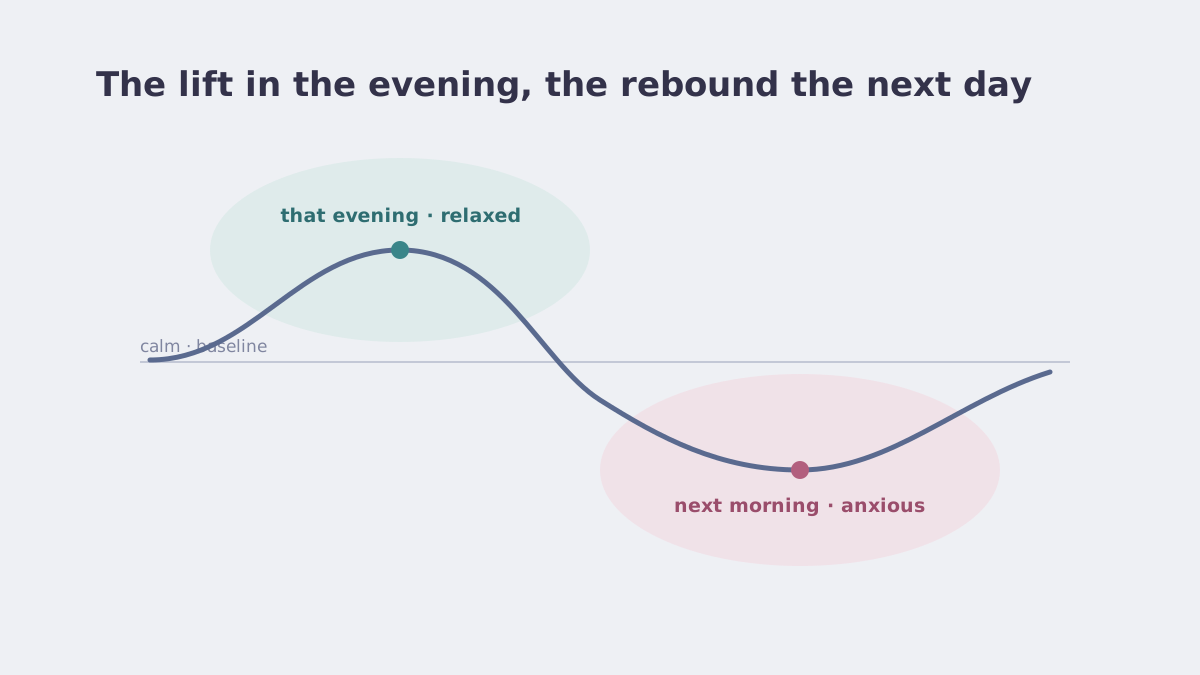
That uneasy, jittery morning after drinking has a name and a mechanism. Here's why alcohol calms you at night and rebounds into anxiety the next day — and what helps.
Clear-headed writing on drinking less, the science of alcohol, standard drinks, and living well with — or without — it.
That uneasy, jittery morning after drinking has a name and a mechanism. Here's why alcohol calms you at night and rebounds into anxiety the next day — and what helps.
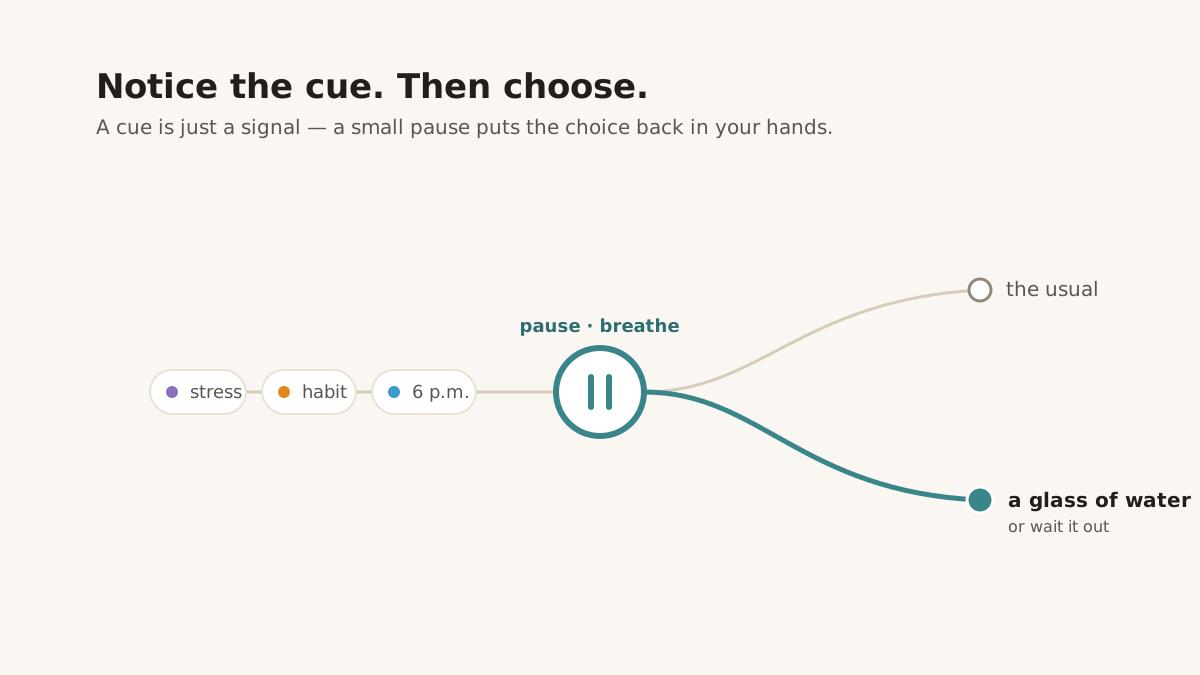
Most overshooting traces back to a handful of cues — stress, boredom, habit, certain people or places. Here's how to spot your triggers and build a calm pause before the next drink.
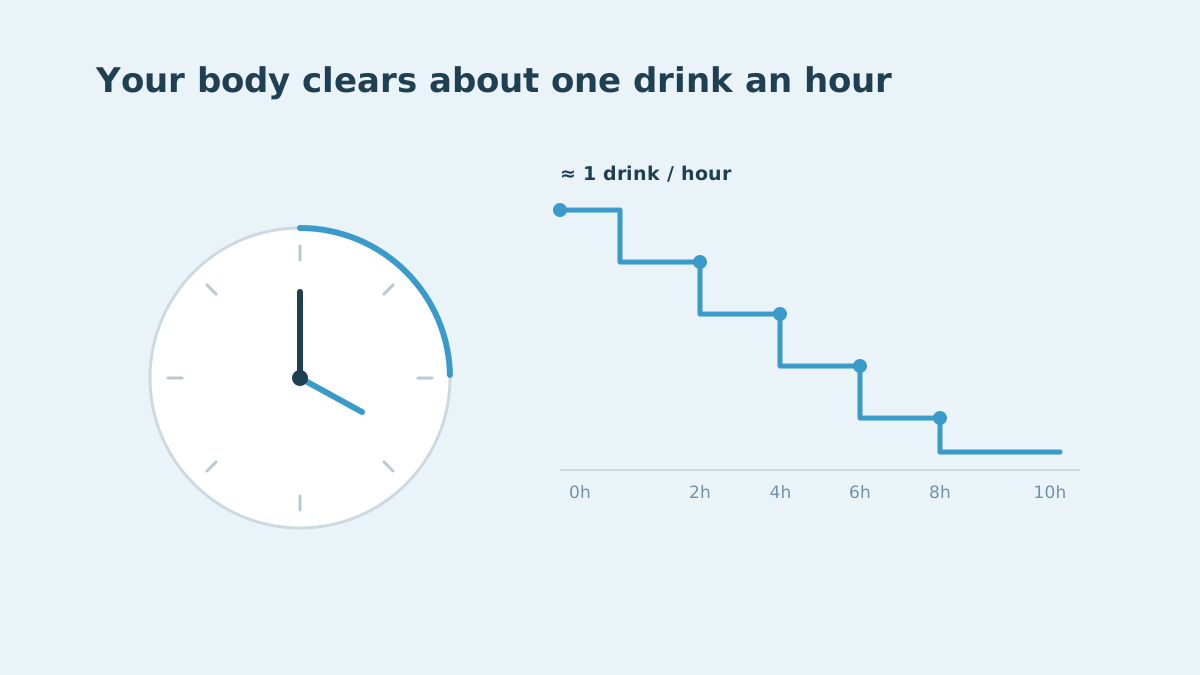
Your body clears roughly one standard drink an hour, and nothing speeds it up. Here's how alcohol is metabolized, how long tests can detect it, and what changes the rate.
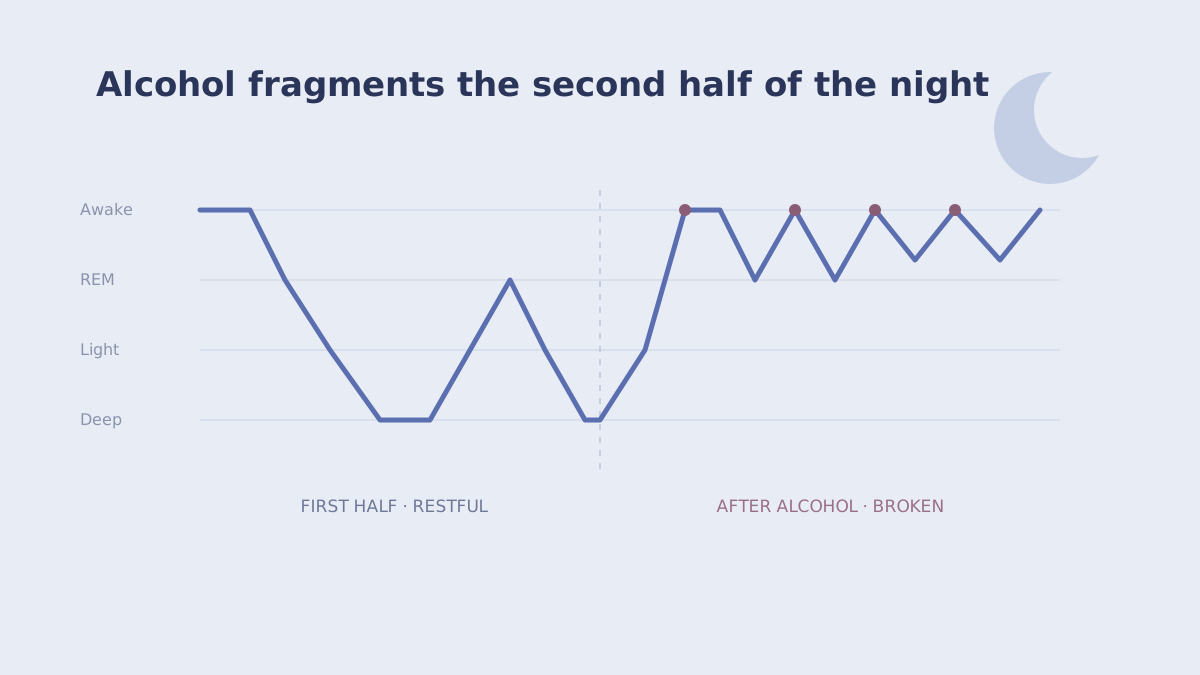
A drink helps you fall asleep faster, then quietly wrecks the second half of the night — less REM, more waking. Here's what alcohol does to your sleep, and how to limit it.
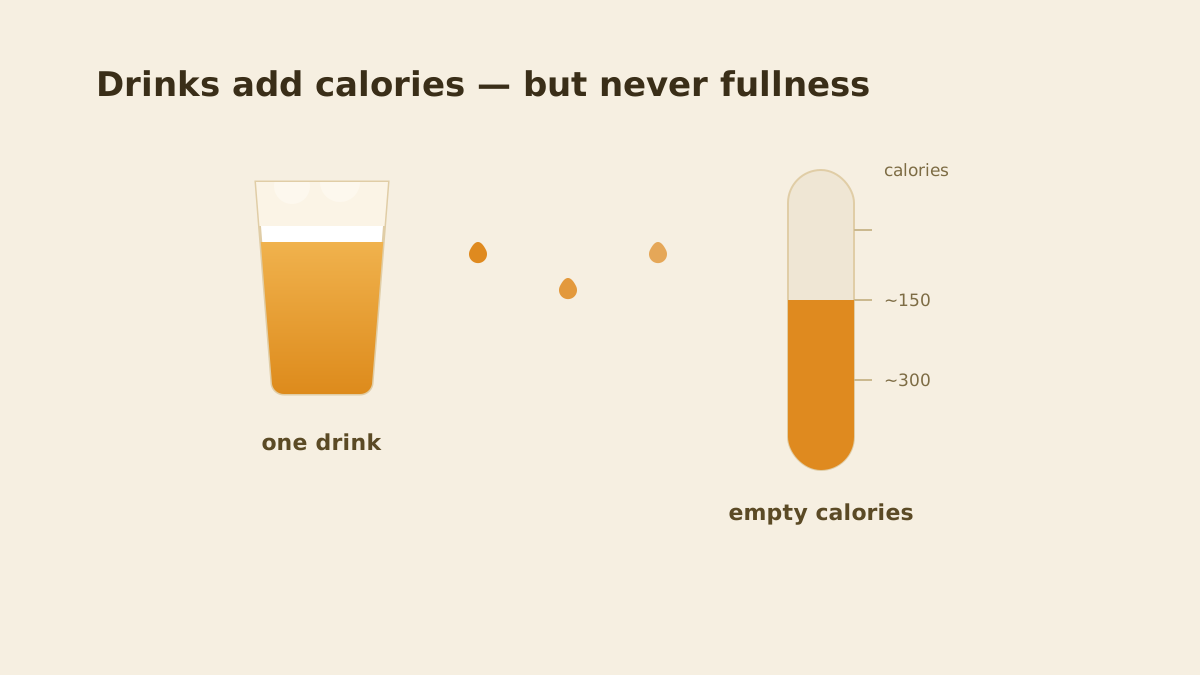
Alcohol is nearly as calorie-dense as fat, carries no nutrition, and nudges you to eat more — while your body burns it before fat. Here's the real link between drinking and weight.
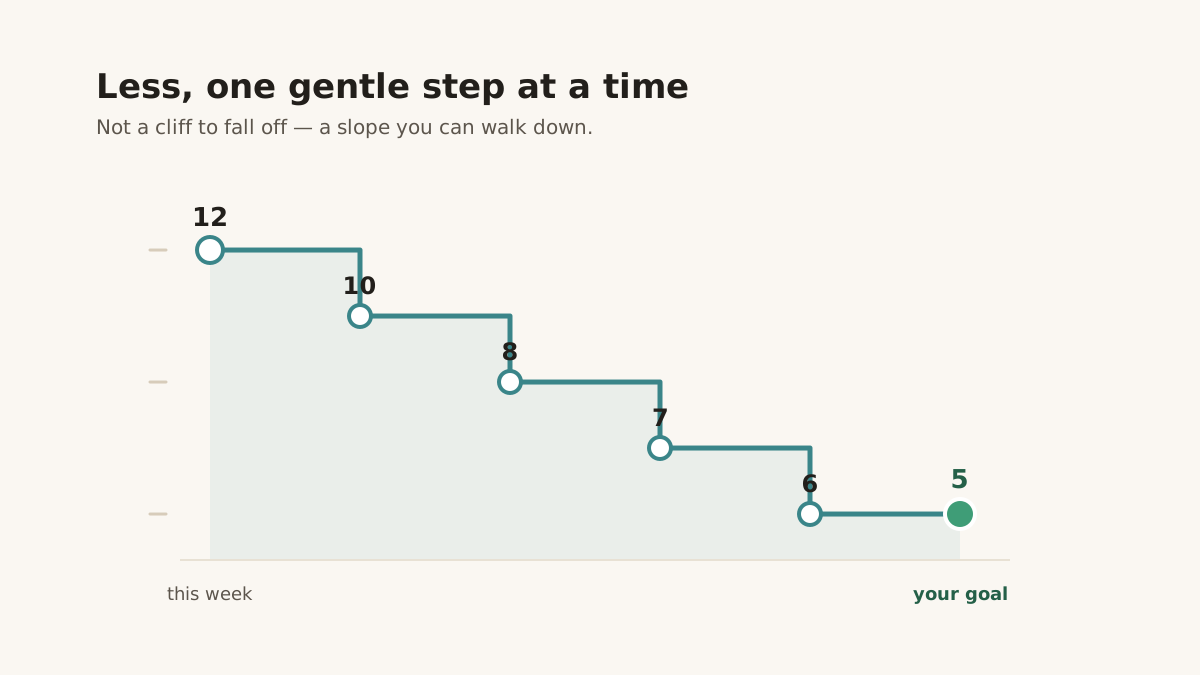
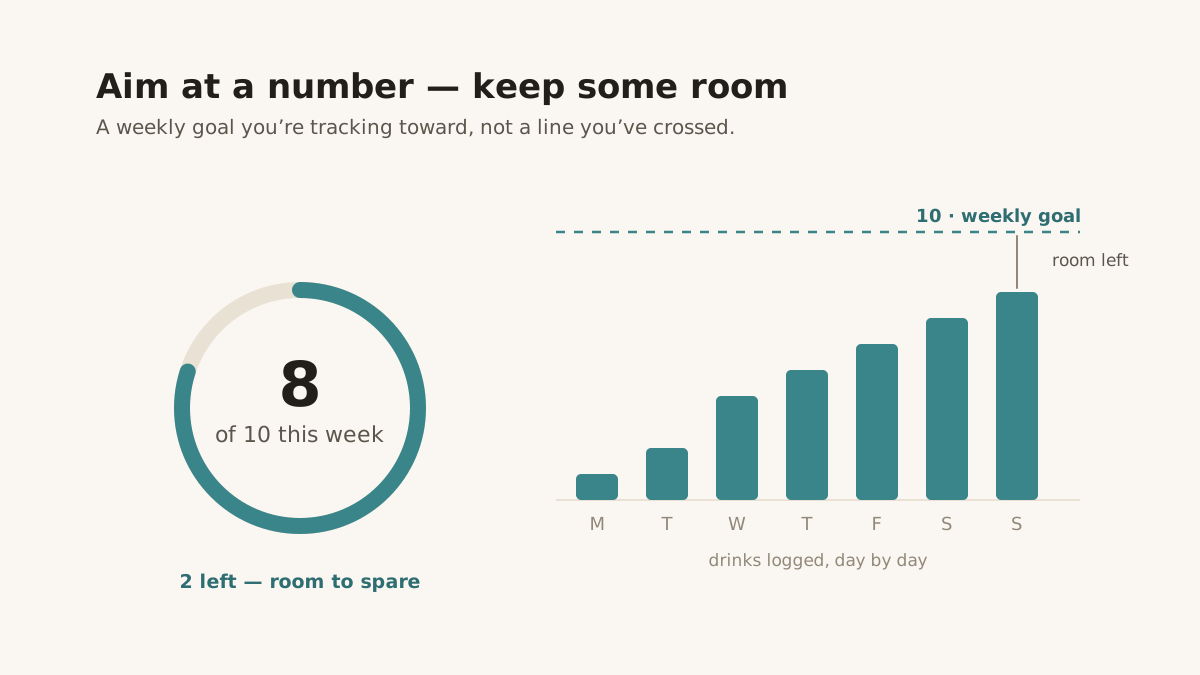
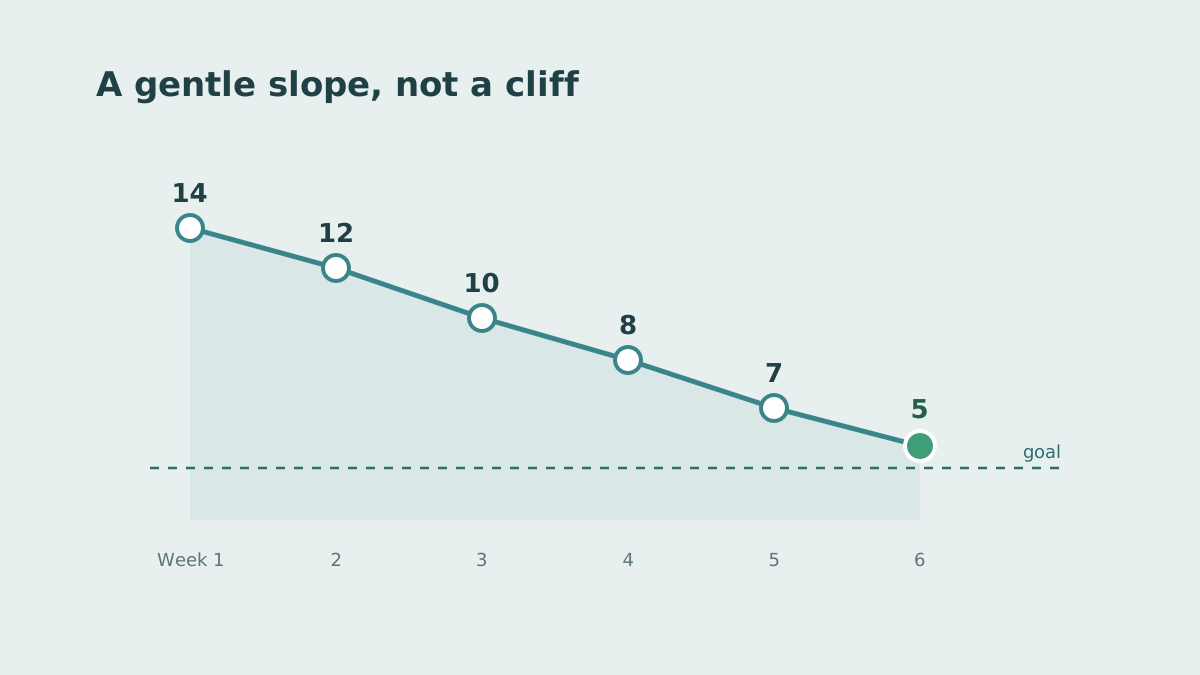
You don't have to go fully dry to feel better. A calm, judgment-free framework for drinking less on your own terms — set a number, see it, and bring it down.
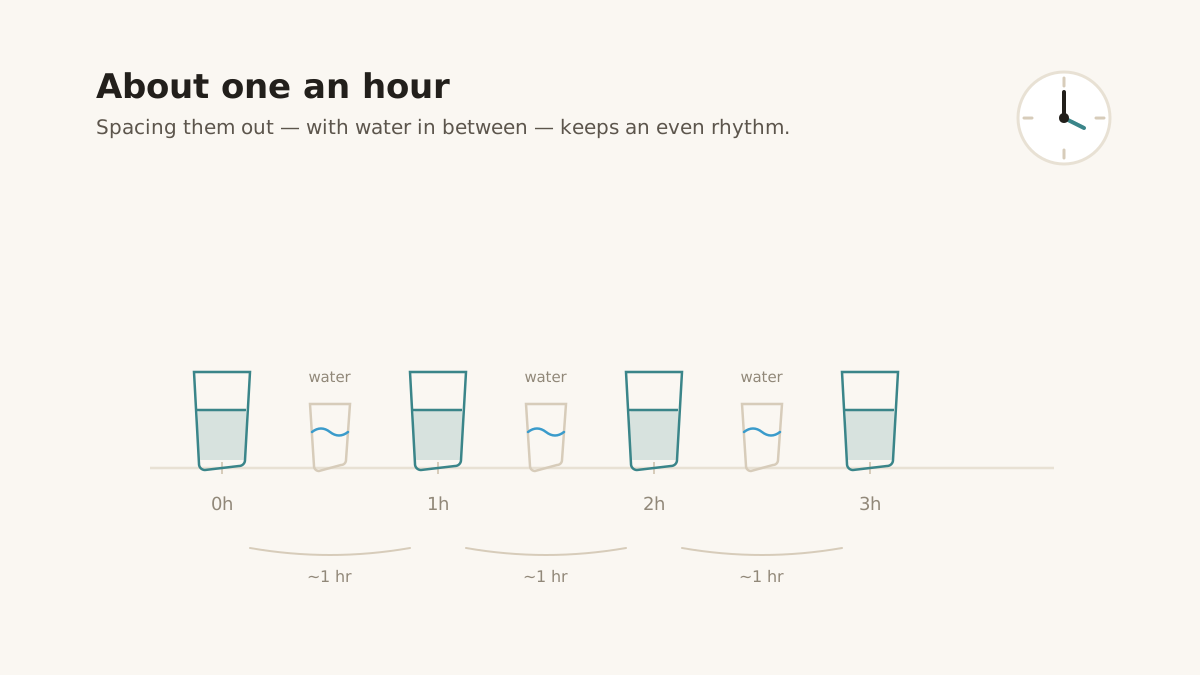
A night gets away from you when the drinks come faster than your body can clear them. Here's how to pace — space them out, alternate with water, and stay around one an hour.
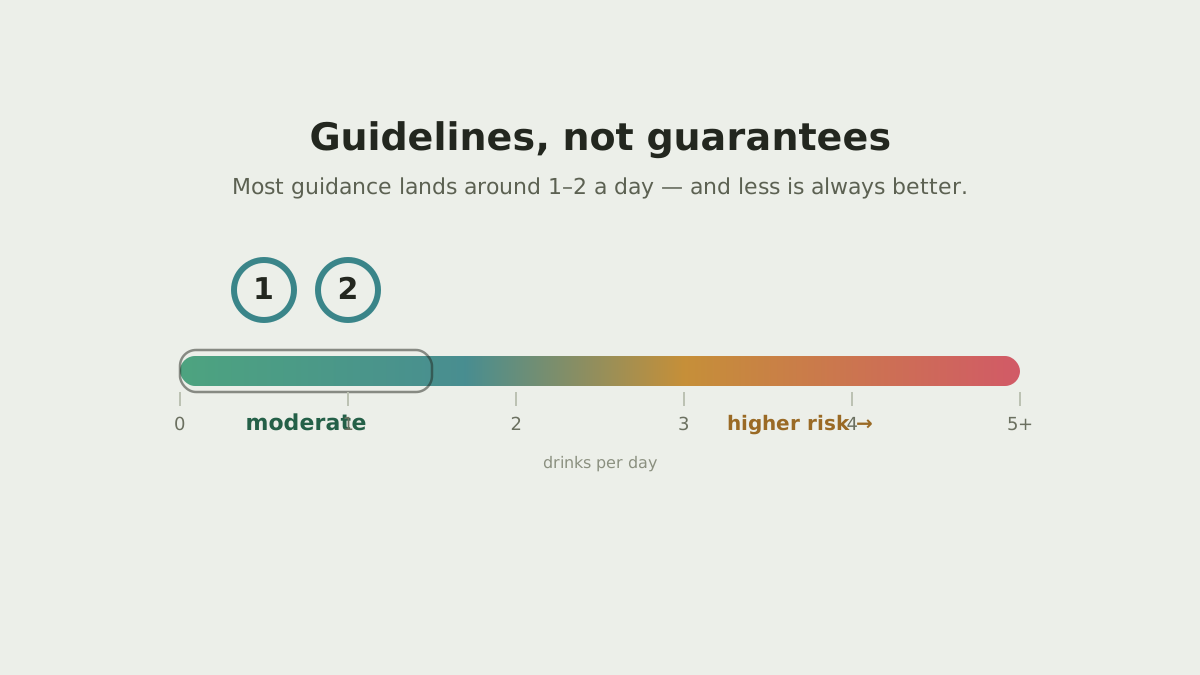
The advice has shifted: health authorities now say less is better and no amount is risk-free. Here's what 'moderate drinking' meant, what changed, and how to think about it.
A vague "drink less" never sticks. Here's how to pick a specific weekly standard-drink number — fixed or stepping down — that fits your real life and you'll actually hold to.
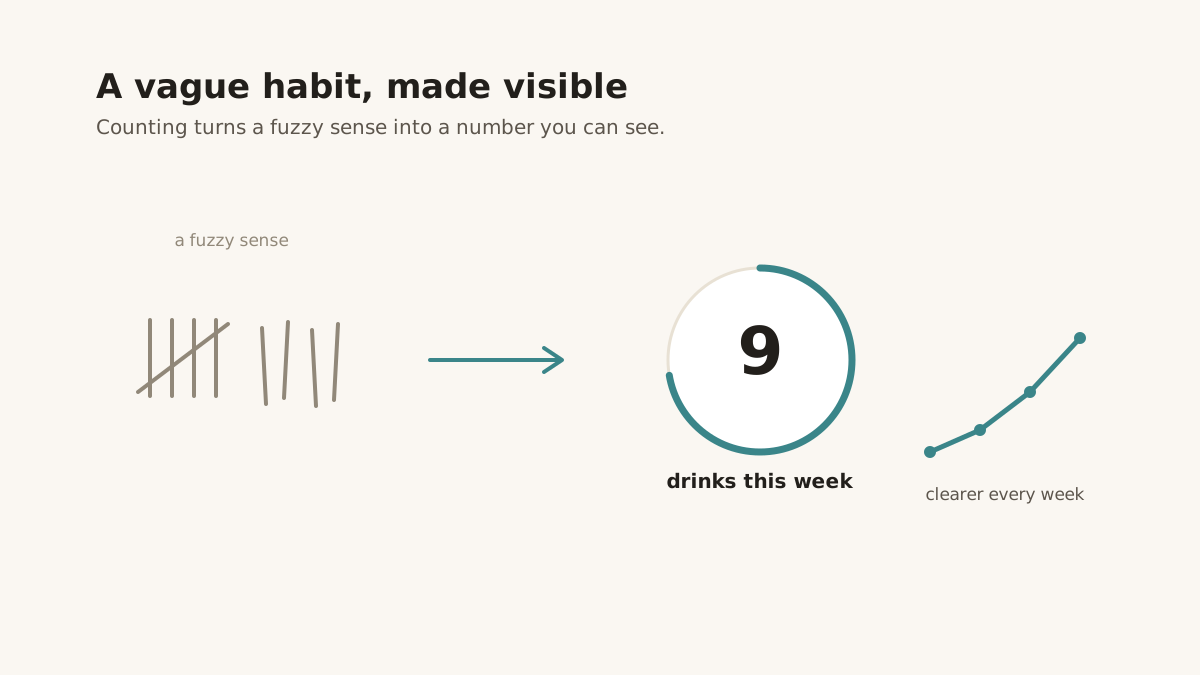
You can't change what you can't see. Here's why logging every drink — in standard drinks — turns a vague habit into a number you can steer, and how to start in under a minute.
Better sleep, a calmer liver, lower blood pressure, fewer empty calories — the real, sourced benefits of drinking less, and roughly how soon they show up.
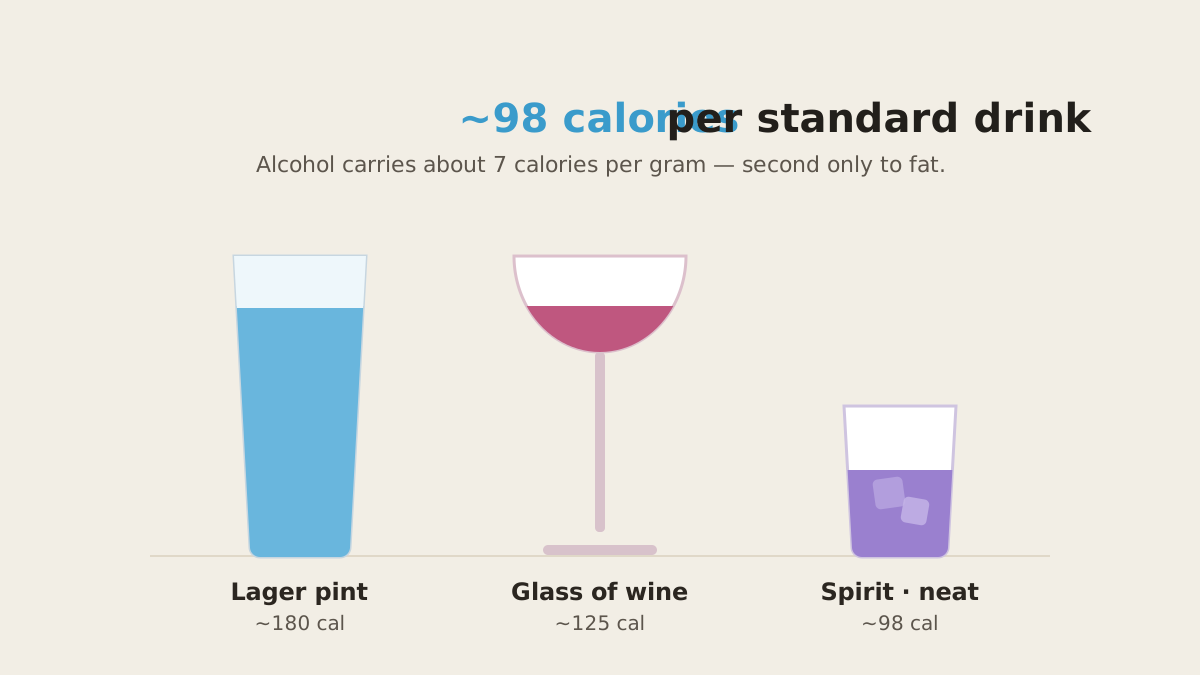
Alcohol carries about 7 calories per gram — roughly 98 calories per US standard drink before mixers and carbs. Here's how beer, wine, and spirits compare.
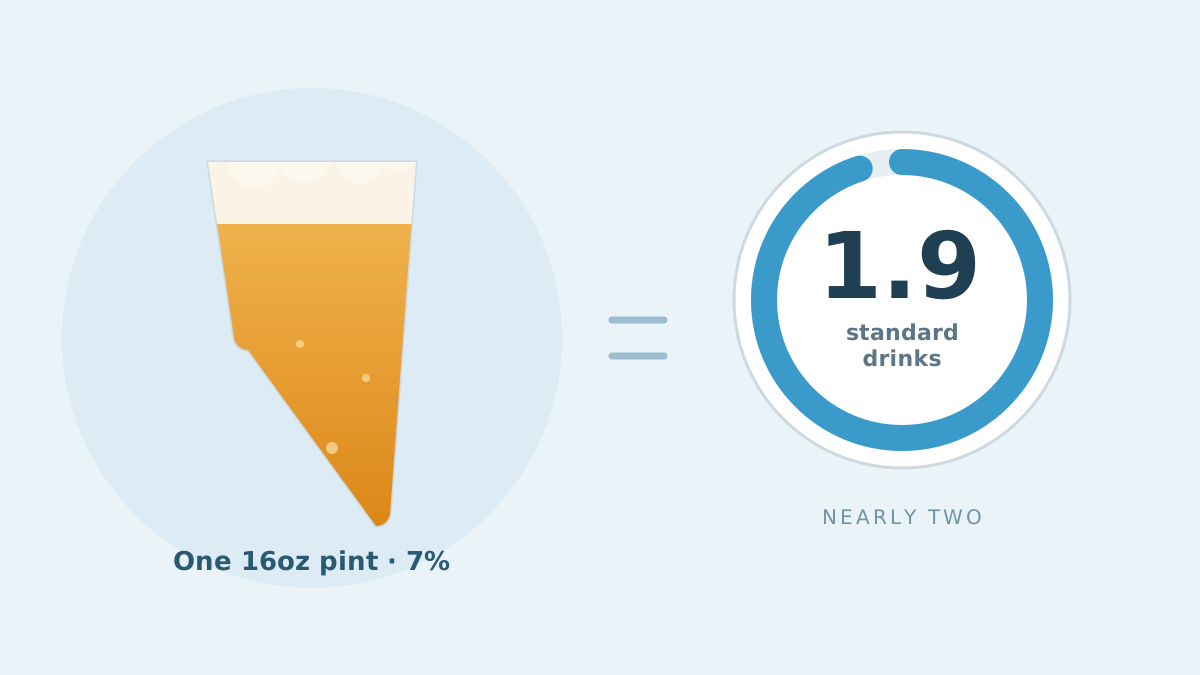
A 16 oz pour of a 7% IPA is about 1.9 US standard drinks — nearly two. Here's the math, by can and by pint, and why hazy IPAs add up fast.
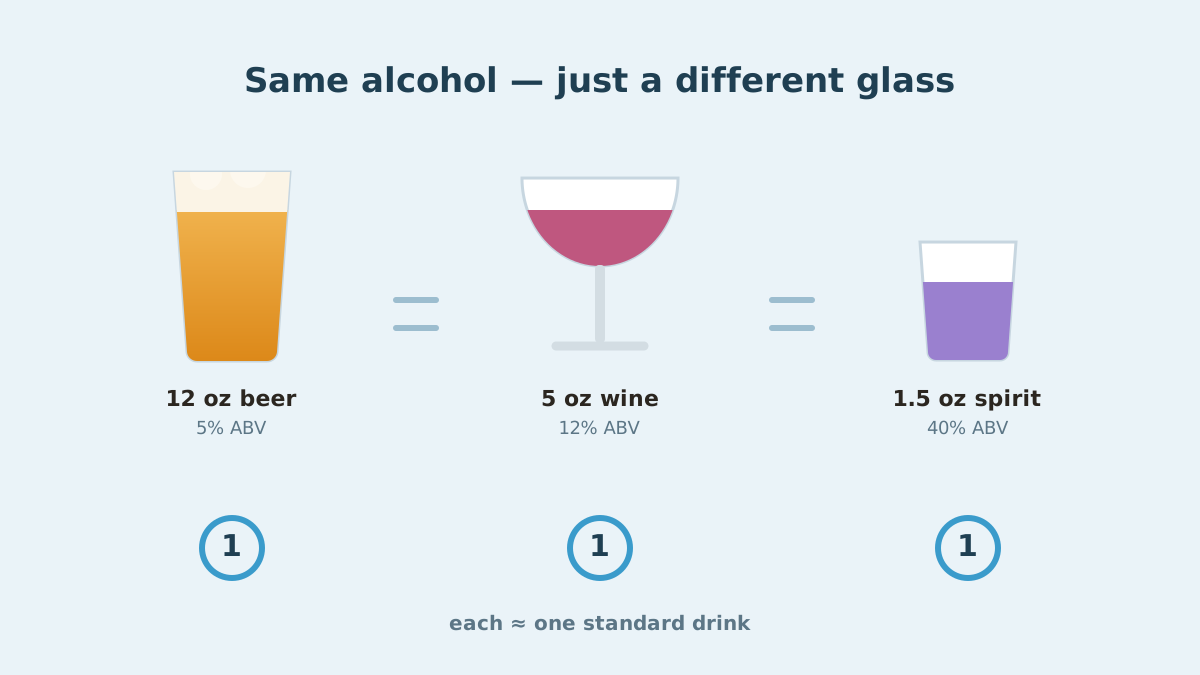
A US standard drink is a fixed amount of pure alcohol — 0.6 fl oz (14 g), about one 12 oz beer, a 5 oz glass of wine, or a 1.5 oz shot. Here's how to count any drink accurately.
No articles in this topic yet.