The science
Hangxiety: why alcohol spikes next-day anxiety
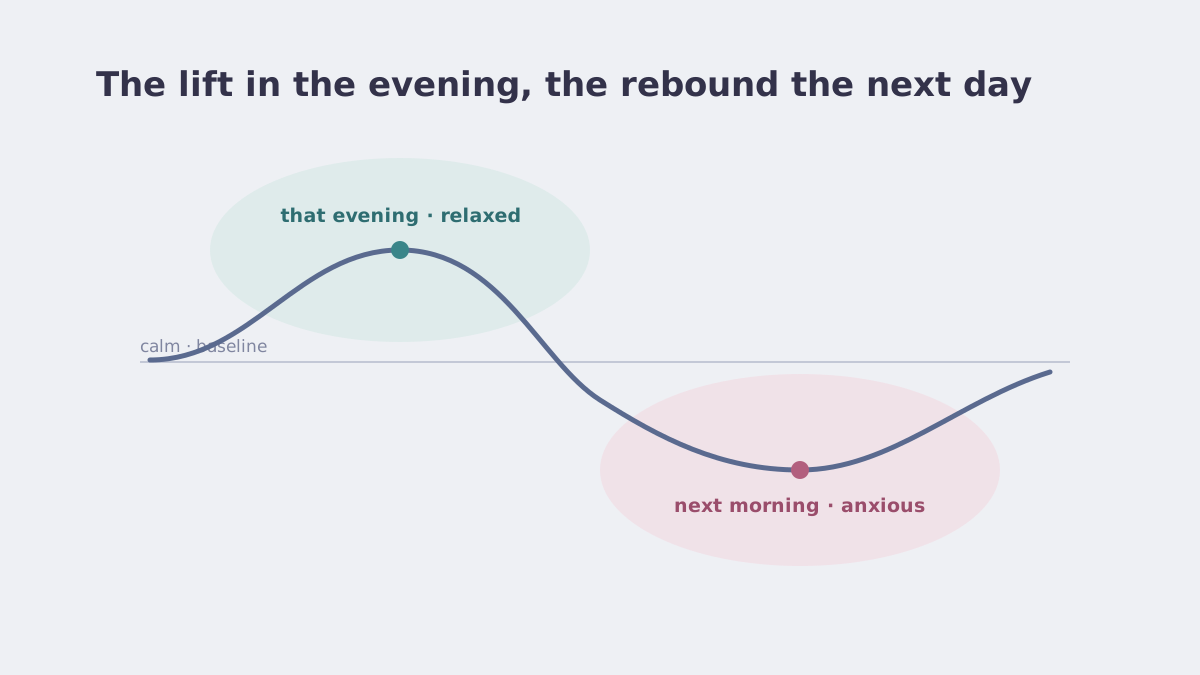
That uneasy, jittery morning after drinking has a name and a mechanism. Here's why alcohol calms you at night and rebounds into anxiety the next day — and what helps.
The advice has shifted: health authorities now say less is better and no amount is risk-free. Here's what 'moderate drinking' meant, what changed, and how to think about it.
“Everything in moderation” is the comfortable answer about alcohol. It’s also the one that’s changed the most in recent years. Here’s what “moderate” meant, what the science now says, and a sane way to hold it.
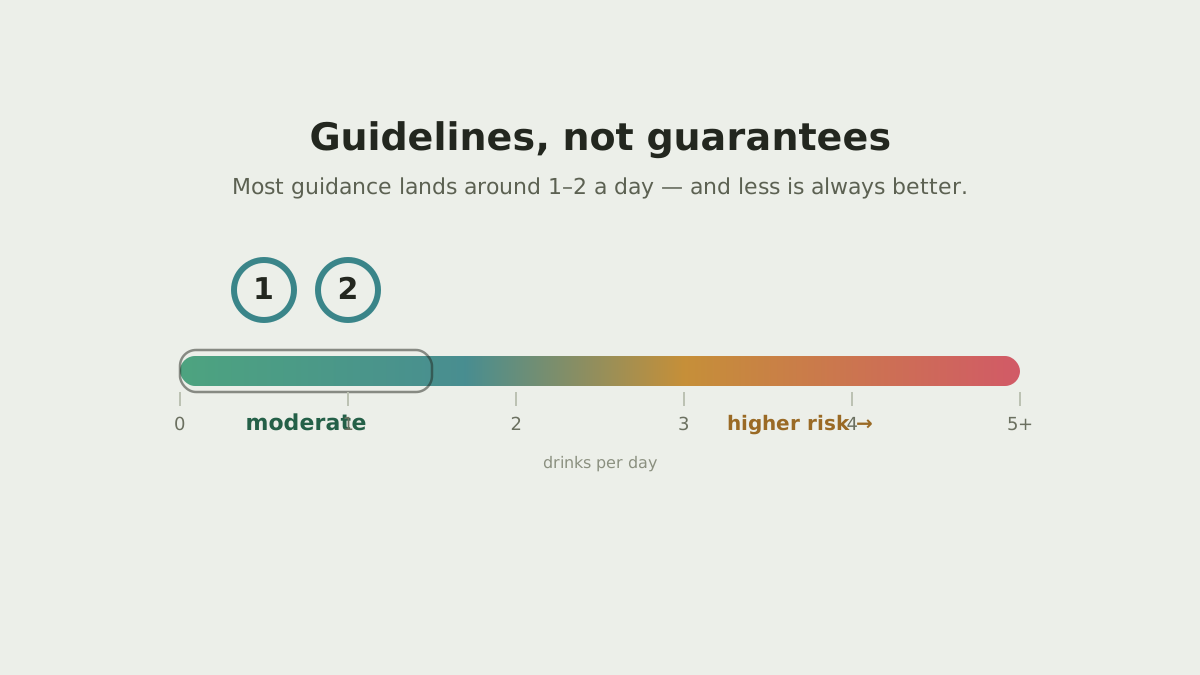
For years, US guidance put a number on it. The CDC defined moderate drinking as 2 drinks or less per day for men and 1 or less for women — and crucially, that’s per day, on days you drink, not a weekly average you can “save up” for the weekend. Those numbers were the standard through the 2020–2025 cycle.
Two things shifted the picture.
First, the global consensus moved. In 2023 the World Health Organization stated plainly that “there is no safe amount that does not affect health,” noting that alcohol is a Group 1 carcinogen — the same category as tobacco and asbestos — and that much of the cancer burden in some regions comes from “light” and “moderate” drinking, not just heavy use.
Second, US guidance dropped the numbers. The 2025–2030 Dietary Guidelines for Americans moved away from the specific daily limits in favor of general advice to “consume less alcohol for better health.” That change is itself debated — some medical groups have criticized removing the numeric, risk-communication limits — but the direction of travel is consistent: less is better.
That belief came from older observational studies that have since been criticized for methodological flaws — notably comparing drinkers against a “non-drinker” group that included former heavy drinkers who’d quit for health reasons, which made moderate drinking look protective. As Harvard Health covers, newer analysis doesn’t support the heart-health claim, and the CDC now states that even moderate drinking “may increase your overall risks of death and chronic disease, including… cancer and heart disease.”
You don’t need to panic, and you don’t need to quit to be “allowed” to care about this. The honest summary from the reputable sources is simple:
That reframes the question from “is my amount okay?” to “can I see my amount, and is it trending down?” — which is far more useful. Pick a goal that fits your life, log your drinks, and let the weekly number do the honest accounting. That’s the whole idea behind PitchCount.
Through 2025, US guidance defined moderate drinking as 2 drinks or less per day for men and 1 or less for women, counted per day (not a weekly average you can save up). The 2025–2030 Dietary Guidelines moved away from those numbers toward simply "drink less for better health."
The consensus has shifted away from "moderate drinking is good for you." The CDC notes even moderate drinking may raise overall risk of death and chronic disease, and the WHO states no level of alcohol is safe for health. The older "heart-healthy" claim has been largely walked back.
That came from observational studies later criticized for methodological flaws — for example, lumping former heavy drinkers in with non-drinkers. Newer analyses don't support the idea that moderate drinking is protective.
There's no risk-free amount, but risk rises with how much you drink — so less is better. If you don't drink, health authorities say there's no health reason to start.
This is general information, not medical advice. If you're concerned about your drinking or think you may be dependent, please talk to a healthcare professional.
That uneasy, jittery morning after drinking has a name and a mechanism. Here's why alcohol calms you at night and rebounds into anxiety the next day — and what helps.
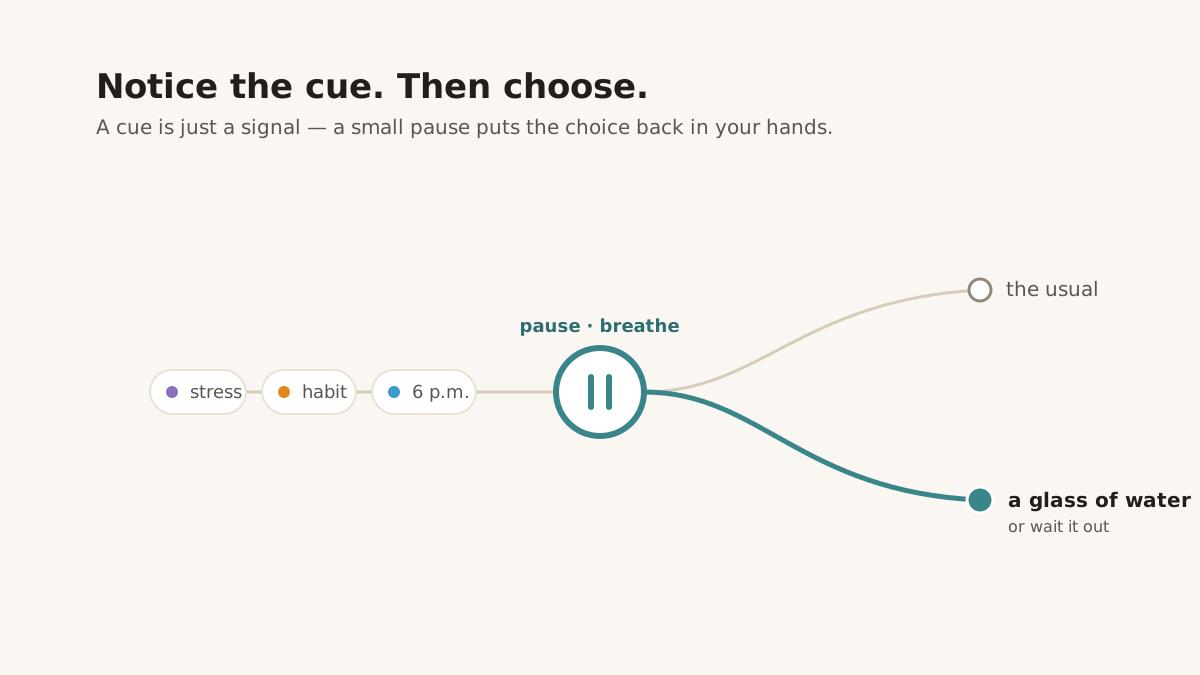
Most overshooting traces back to a handful of cues — stress, boredom, habit, certain people or places. Here's how to spot your triggers and build a calm pause before the next drink.
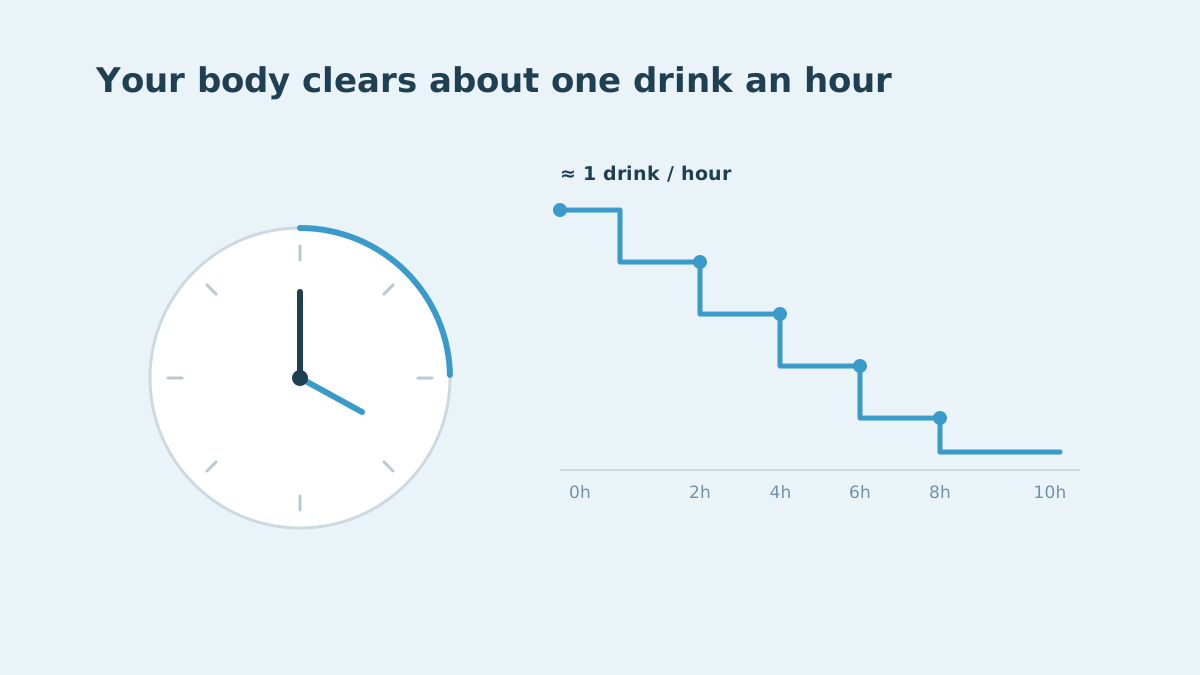
Your body clears roughly one standard drink an hour, and nothing speeds it up. Here's how alcohol is metabolized, how long tests can detect it, and what changes the rate.