The science
Hangxiety: why alcohol spikes next-day anxiety
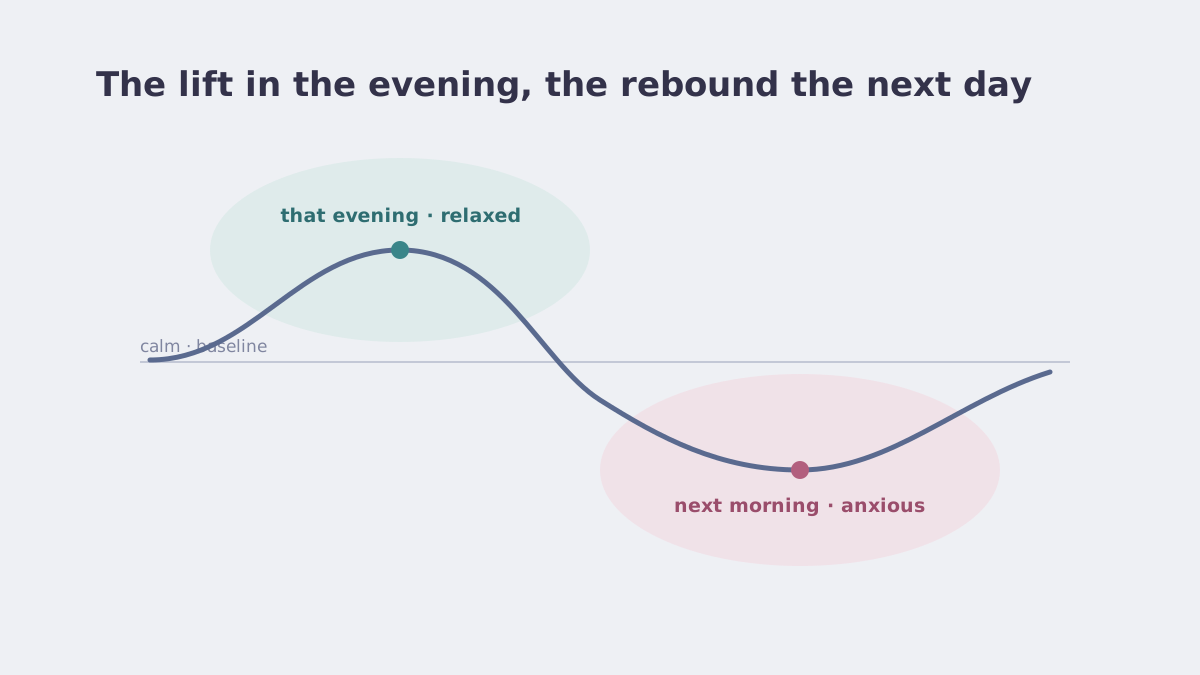
That uneasy, jittery morning after drinking has a name and a mechanism. Here's why alcohol calms you at night and rebounds into anxiety the next day — and what helps.
Better sleep, a calmer liver, lower blood pressure, fewer empty calories — the real, sourced benefits of drinking less, and roughly how soon they show up.
There’s a lot of “what happens at day 3, week 1, week 2” content online, and most of it isn’t backed by reputable sources. So here’s the honest version: the benefits of drinking less are real and well-documented, but the timing varies by person and by how much you were drinking. Here’s what actually improves — and roughly when.
No rigorous day-by-day schedule exists in the medical literature. What’s solid is the direction: as the NIAAA puts it, the less you drink, the lower your risk across a range of health outcomes. The milestones below are real and sourced; treat the timing as “generally, around here,” not a guarantee.
Alcohol fragments sleep and cuts REM, so quality drops even when hours don’t. The Cleveland Clinic notes that limiting alcohol improves sleep, and clinicians regularly see sleep problems ease when people cut back. This is often the first thing people notice.
This one is genuinely striking. Early alcohol-related fatty liver is largely reversible, and per NIAAA research, after roughly 2–3 weeks of abstinence the fatty change can completely resolve — with liver tissue appearing normal again. Abstinence is the single most effective step at nearly every stage of alcohol-related liver disease.
Cutting back lowers blood pressure, but the size of the effect depends on how much you were drinking. A Lancet Public Health meta-analysis found the benefit is dose-dependent: significant mainly in people drinking more than two drinks a day, and largest in heavy drinkers (those at 6+ a day who halved their intake saw meaningful systolic and diastolic drops). If you drink lightly, your blood pressure may not move much — which is itself useful to know. The Mayo Clinic confirms that drinking too much raises blood pressure and cutting back can help.
Alcohol is calorie-dense and nutritionally empty. Harvard Health notes Americans average about 100 calories a day from alcohol, and regular drinkers can get up to ~16% of their daily calories from it. Reducing intake supports weight management — and because these are “invisible” calories that don’t fill you up, they’re some of the easiest to cut.
The throughline in all the reputable evidence is simple: less is better, and the benefits scale with how much you reduce. You don’t need to go fully dry to feel the difference — you need to bring the number down and keep it there.
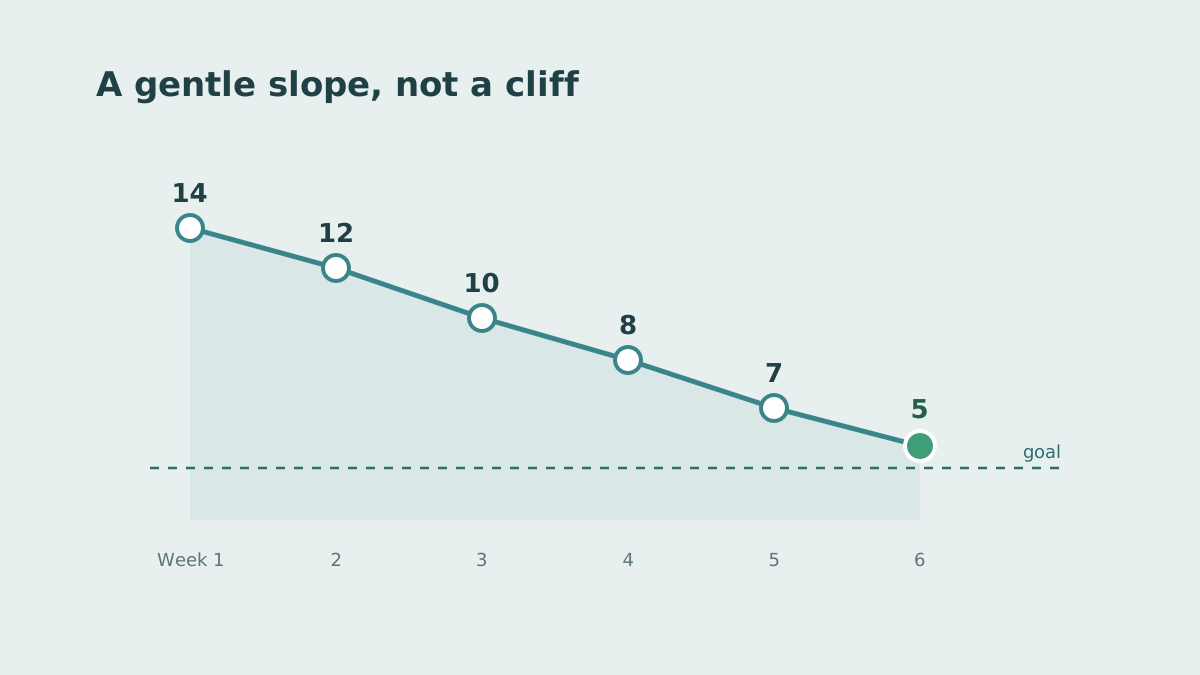
That’s exactly the job a tracker does. Set a goal — fixed or stepping down over time — and PitchCount shows you where your week stands against it, so “drink less” becomes a number you can actually watch fall.
It varies a lot by person and by how much you drank. Sleep often improves within the first week or two, fatty-liver changes can reverse over a few weeks of abstinence, and blood-pressure benefits build over weeks — and are largest in people who were drinking heavily.
Early alcohol-related fatty liver is largely reversible. NIAAA research notes that after roughly 2–3 weeks of abstinence, fatty change in the liver can completely resolve. Abstinence is the most effective step at nearly every stage.
It can, dose-dependently. The biggest reductions show up in people who were drinking more than two drinks a day; those drinking lightly already may see little blood-pressure change.
No. The evidence points one direction — less is better. Many benefits scale with how much you reduce, so cutting back meaningfully helps even if you don't stop entirely.
This is general information, not medical advice. If you're concerned about your drinking or think you may be dependent, please talk to a healthcare professional.
That uneasy, jittery morning after drinking has a name and a mechanism. Here's why alcohol calms you at night and rebounds into anxiety the next day — and what helps.
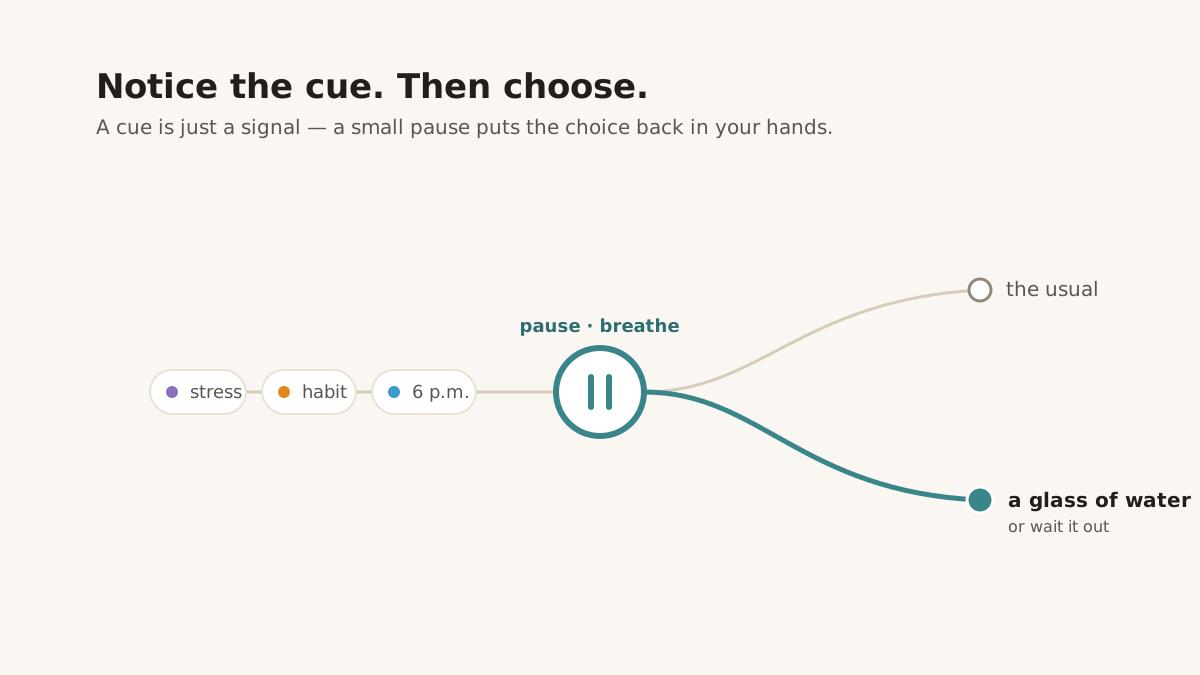
Most overshooting traces back to a handful of cues — stress, boredom, habit, certain people or places. Here's how to spot your triggers and build a calm pause before the next drink.
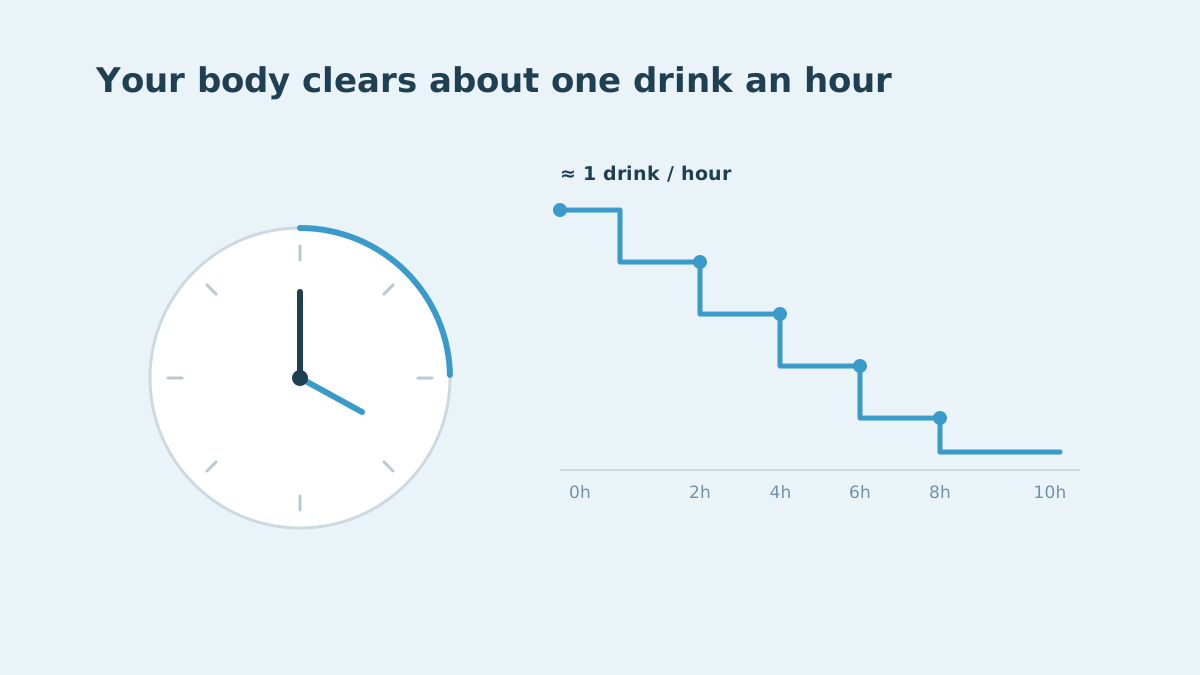
Your body clears roughly one standard drink an hour, and nothing speeds it up. Here's how alcohol is metabolized, how long tests can detect it, and what changes the rate.