The science
Hangxiety: why alcohol spikes next-day anxiety
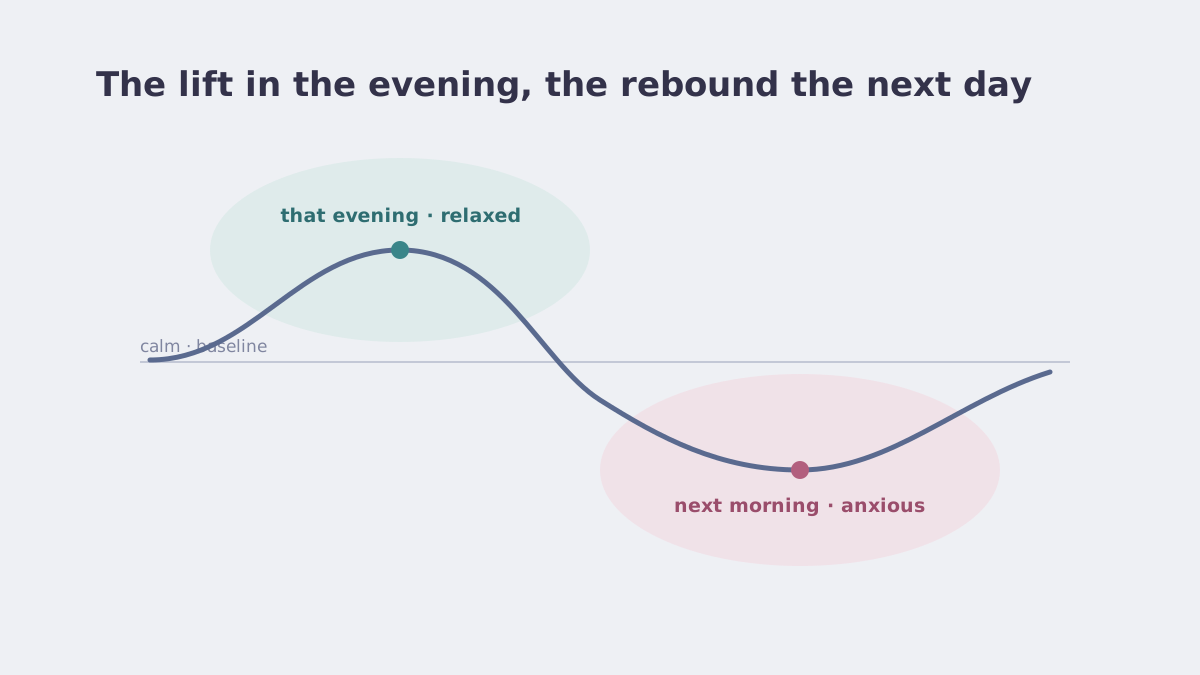
That uneasy, jittery morning after drinking has a name and a mechanism. Here's why alcohol calms you at night and rebounds into anxiety the next day — and what helps.
A drink helps you fall asleep faster, then quietly wrecks the second half of the night — less REM, more waking. Here's what alcohol does to your sleep, and how to limit it.
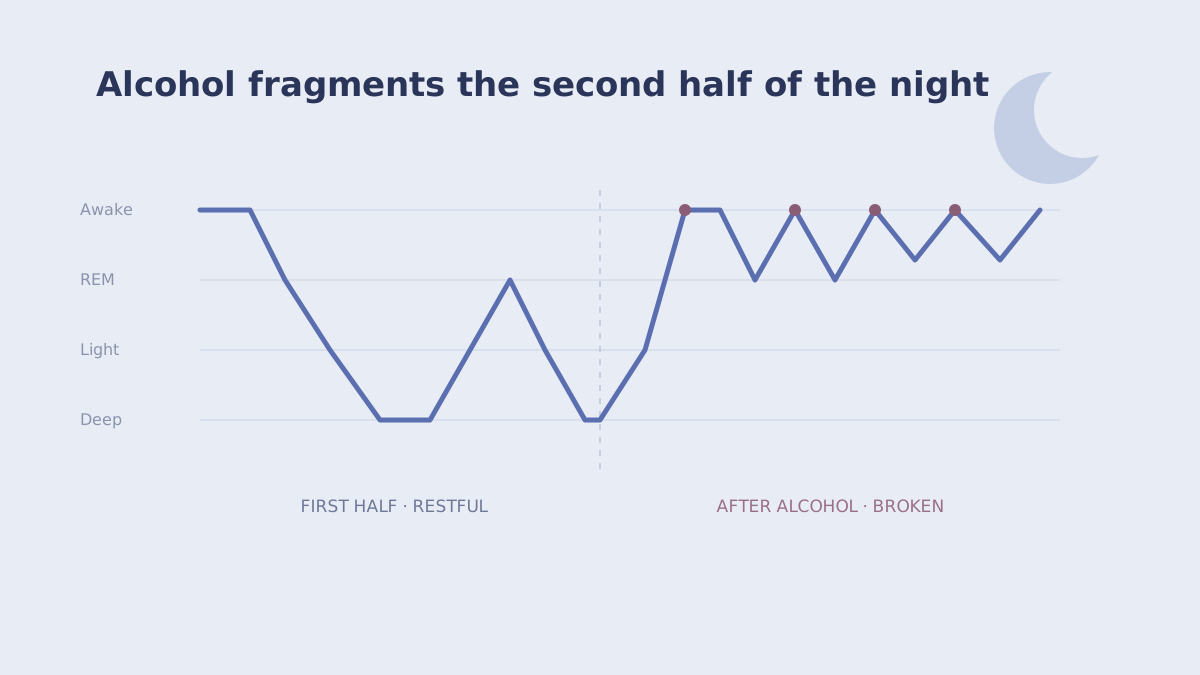
A drink before bed feels like it helps you sleep. It does — for about an hour. After that, alcohol works against you, and it’s a big reason a night out can leave you tired even after a full night in bed.
Alcohol is a sedative, so it can shorten the time it takes to fall asleep. But according to the Sleep Foundation, “the same chemical effects that make alcohol feel calming at first also disrupt normal sleep patterns later in the night.” You trade a quicker start for a worse finish — and the finish is the bigger part of the night.
Early on, alcohol pushes you into more deep sleep and less REM than usual. Then, once your body has metabolized it, sleep gets lighter — the Sleep Foundation notes a rise in N1, the lightest stage. The result is fragmented, broken sleep, especially in the second half of the night, as alcohol interferes with the neurotransmitters that regulate sleep and wakefulness. REM is the stage tied to memory and mood, which is part of why drinking can leave you foggy and flat the next day even after “enough” hours.
Two things gang up on you in the second half of the night:
Alcohol relaxes the muscles in your tongue and throat, which worsens snoring by narrowing the airway. For people with — or at risk of — obstructive sleep apnea, that muscle relaxation can raise the number of breathing interruptions and make symptoms worse.
You don’t have to quit to sleep better — a few habits help:
That last one is the quiet power of counting: once you can see “two standard drinks vs. five” next to how you actually felt the next morning, the trade-off stops being abstract. PitchCount makes that total one tap to log.
Only at the start. A drink can shorten the time it takes to fall asleep, but the same sedative effect disrupts the second half of the night — lighter, more fragmented sleep and more awakenings. The net effect is worse sleep quality, not better.
As your body finishes metabolizing the alcohol, it interferes with the neurotransmitters that regulate sleep, causing lighter, fragmented sleep and frequent awakenings in the second half of the night. Alcohol is also a diuretic, so a full bladder adds to the waking.
Sleep experts suggest avoiding alcohol for at least three hours before bedtime, so your body has time to process it before you're trying to sleep.
Yes. Alcohol suppresses REM sleep early in the night. As it wears off, sleep gets lighter and more broken — which is part of why you can sleep eight hours after drinking and still feel unrested.
This is general information, not medical advice. If you're concerned about your drinking or think you may be dependent, please talk to a healthcare professional.
That uneasy, jittery morning after drinking has a name and a mechanism. Here's why alcohol calms you at night and rebounds into anxiety the next day — and what helps.
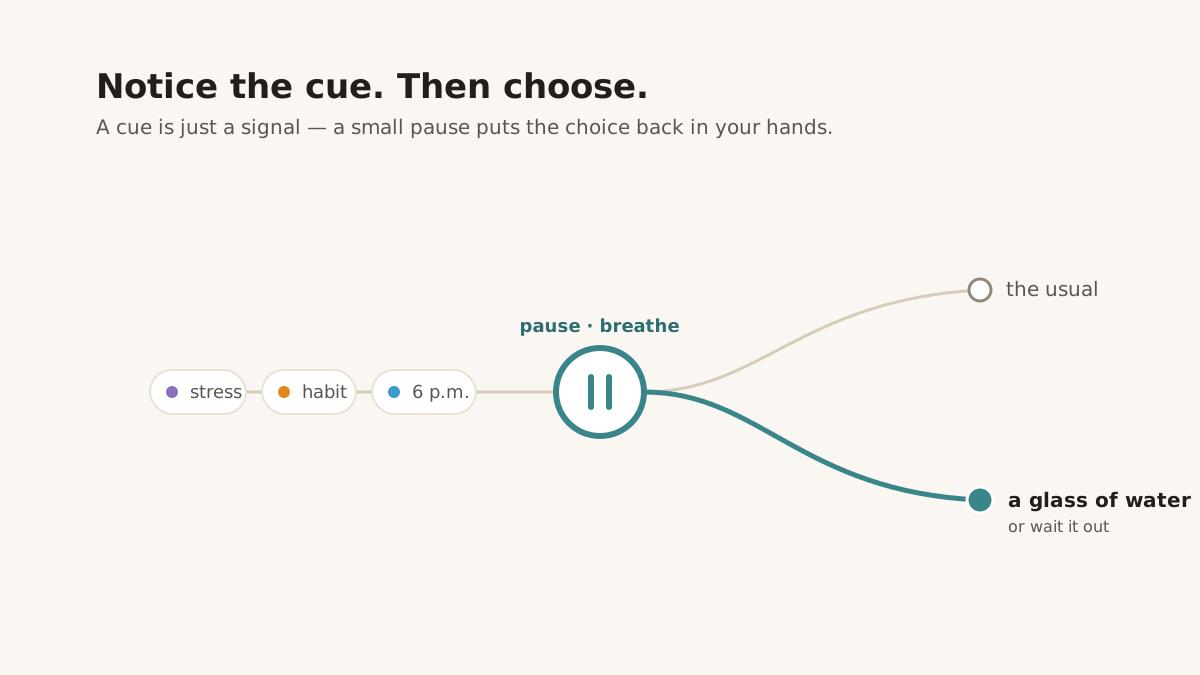
Most overshooting traces back to a handful of cues — stress, boredom, habit, certain people or places. Here's how to spot your triggers and build a calm pause before the next drink.
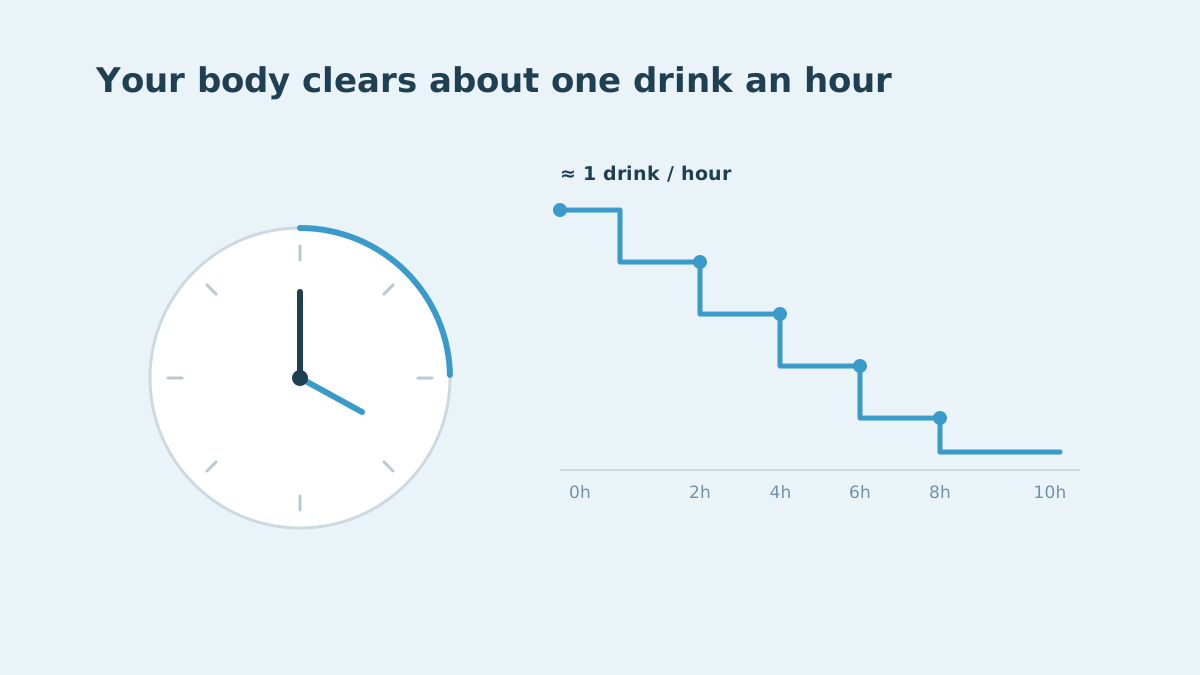
Your body clears roughly one standard drink an hour, and nothing speeds it up. Here's how alcohol is metabolized, how long tests can detect it, and what changes the rate.