The science
Hangxiety: why alcohol spikes next-day anxiety
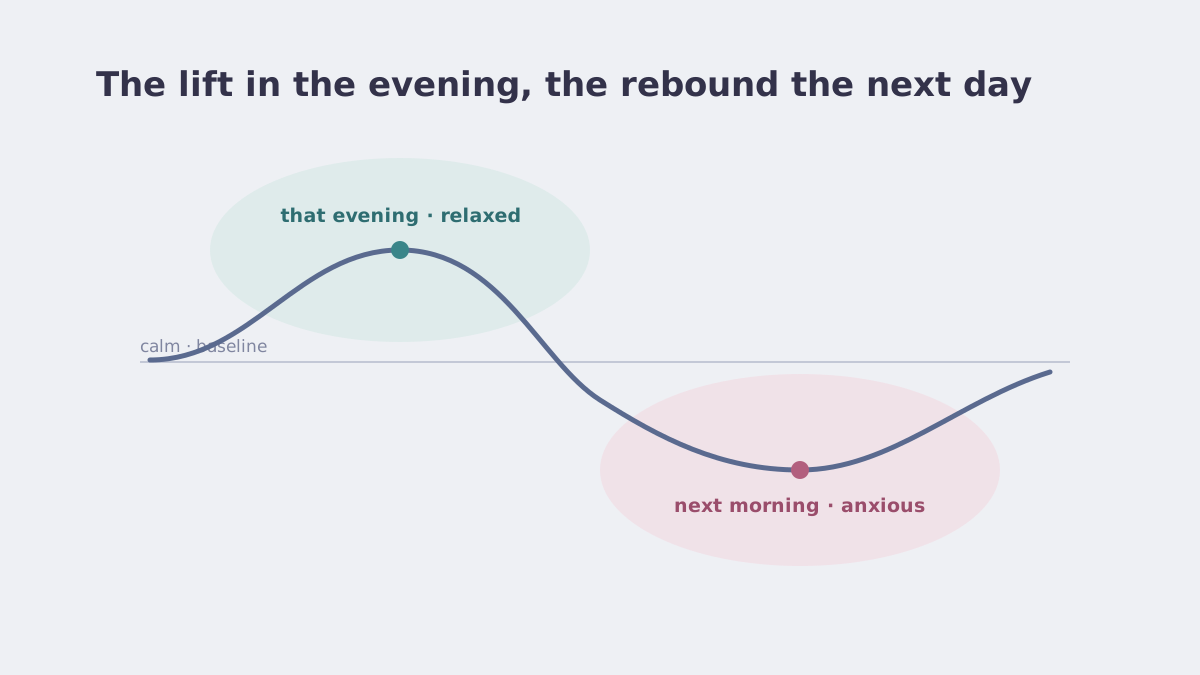
That uneasy, jittery morning after drinking has a name and a mechanism. Here's why alcohol calms you at night and rebounds into anxiety the next day — and what helps.
Most overshooting traces back to a handful of cues — stress, boredom, habit, certain people or places. Here's how to spot your triggers and build a calm pause before the next drink.
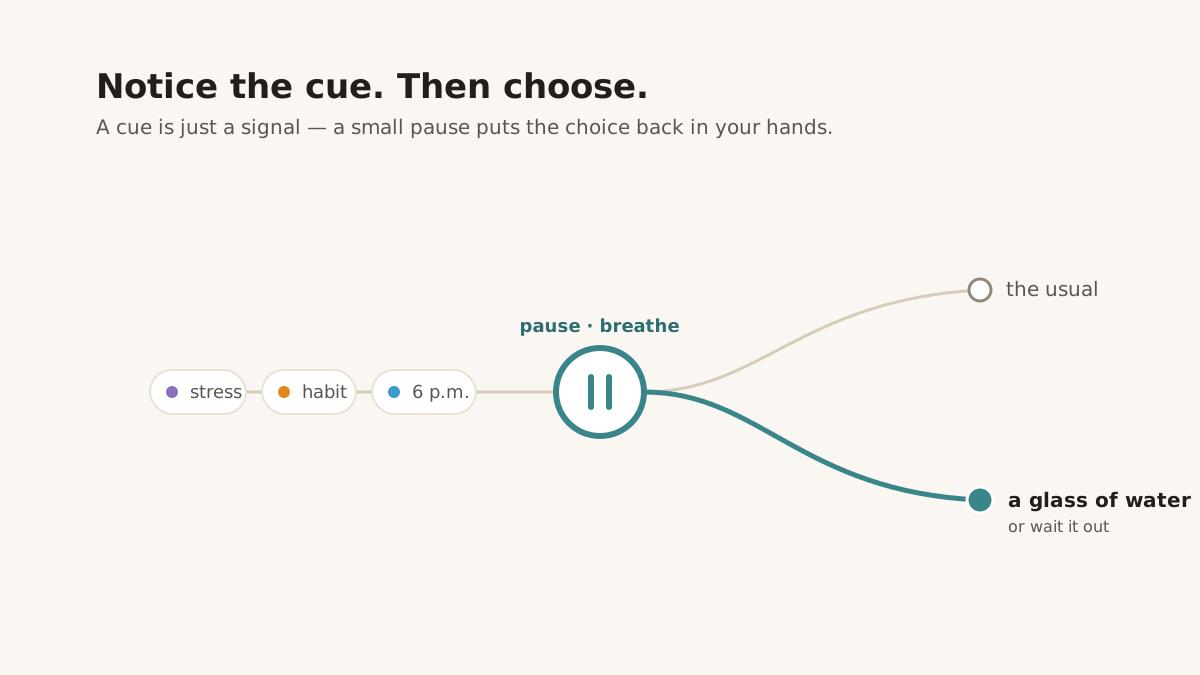
Most of the time, the extra drinks aren’t a decision — they’re a reflex. A cue shows up, and the drink follows before you’ve really chosen it. Learning your triggers is how you put a choice back in that gap.
Most triggers fall into three buckets:
Identifying your triggers — the people, places, situations, and feelings that prompt drinking — is a core step in cutting back, and reputable guidance like Kaiser Permanente’s puts it near the center of the work. You rarely have many; most people have a handful that drive most of their drinking.
You don’t have to guess. When you track your drinking, the when and where become visible alongside the how much. After a couple of weeks, look at your heavier days and ask what they share — the same evening, the same mood, the same company, the same place. The pattern usually jumps out, and it points straight at your cues.
You can’t out-willpower a reflex every single time, but you can interrupt it. The goal is to put a small gap between the cue and the drink, and to have something ready to fill it:
Pacing helps here too: spacing drinks and alternating with water naturally builds in the pause.
A trigger isn’t a personal failing — it’s a learned association, and associations can be re-learned. Some days a cue will win; that’s information, not a verdict. Notice it, adjust the routine, and move on.
This is where tracking earns its keep. By logging each drink in PitchCount, the days and situations that drive your week become visible — and once you can see your cues, you can start changing what follows them. That’s the heart of the drink-less framework: less willpower, more awareness.
The usual ones are emotional (stress, anxiety, boredom, loneliness), social (certain people, parties, work events), and situational or habitual (getting home, a specific time of day, a particular chair). Most people have just a few that drive most of their drinking.
Track when and why you drink for a couple of weeks. Patterns show up fast — the same day, mood, place, or company turning up before your heavier sessions. The data points straight at your cues.
Build a pause between the cue and the drink, and have a ready alternative — a non-alcoholic drink, a walk, a text to someone, leaving a situation earlier. Changing the routine around the cue beats trying to out-muscle it.
Often, yes. A lot of overshooting is automatic, tied to a specific cue rather than a real desire to drink. Spotting the cue and changing what follows it removes the autopilot, which is where the extra drinks usually come from.
This is general information, not medical advice. If you're concerned about your drinking or think you may be dependent, please talk to a healthcare professional.
That uneasy, jittery morning after drinking has a name and a mechanism. Here's why alcohol calms you at night and rebounds into anxiety the next day — and what helps.
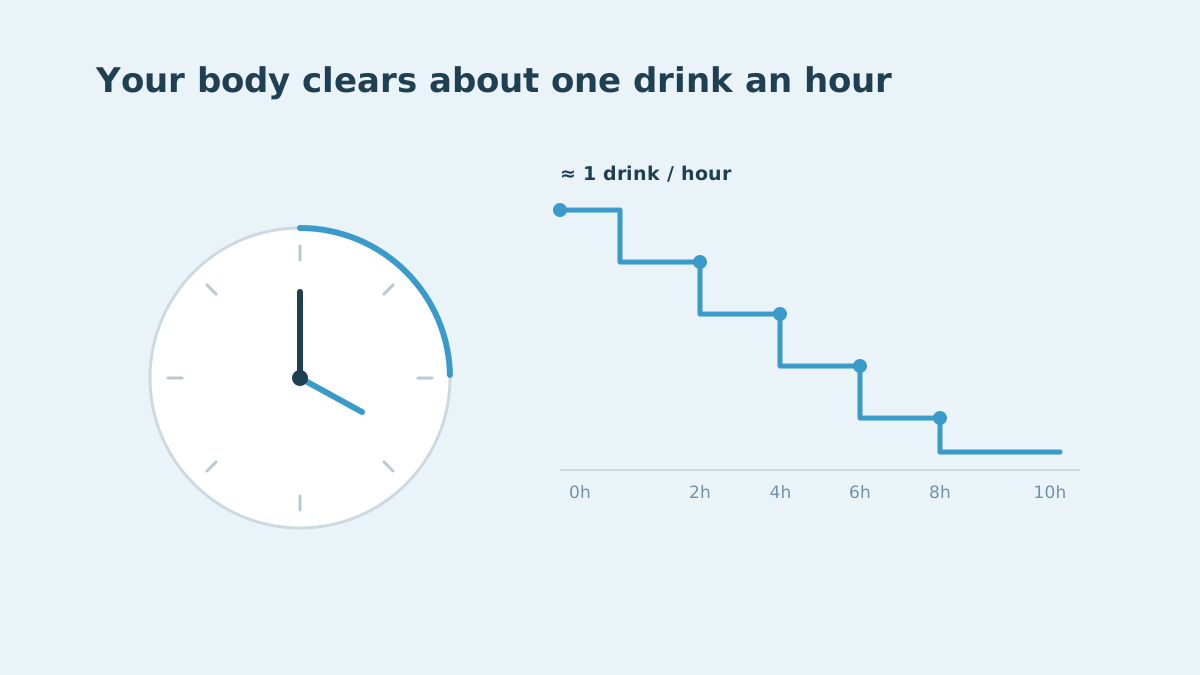
Your body clears roughly one standard drink an hour, and nothing speeds it up. Here's how alcohol is metabolized, how long tests can detect it, and what changes the rate.
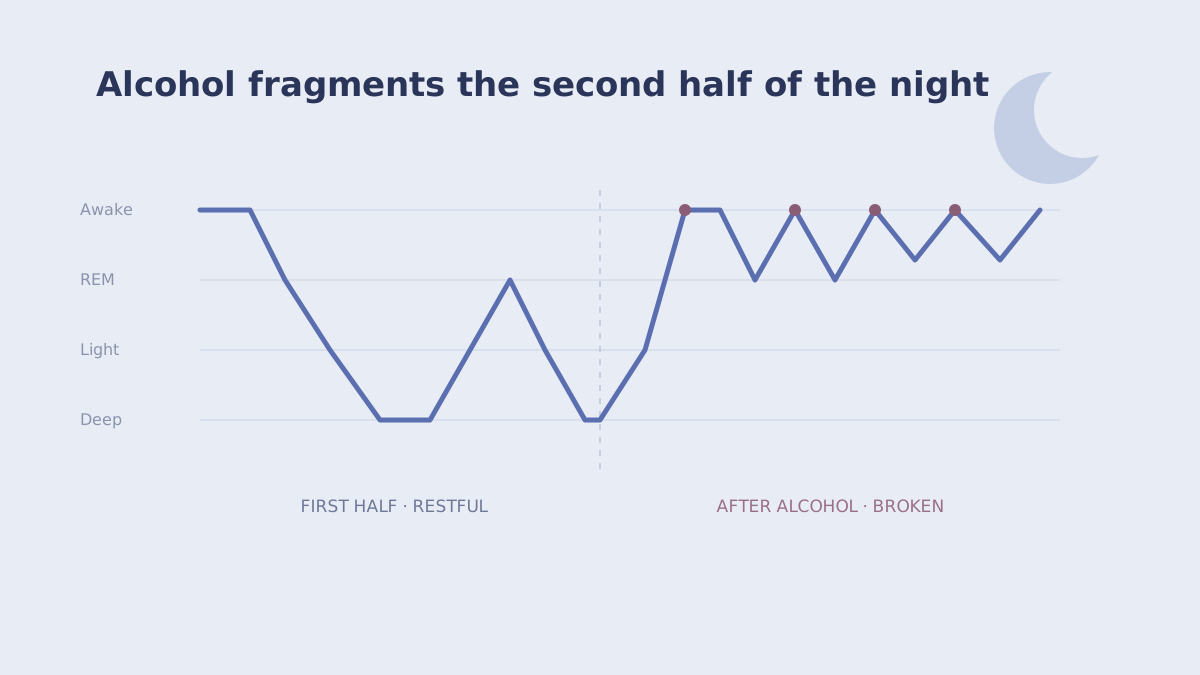
A drink helps you fall asleep faster, then quietly wrecks the second half of the night — less REM, more waking. Here's what alcohol does to your sleep, and how to limit it.