The science
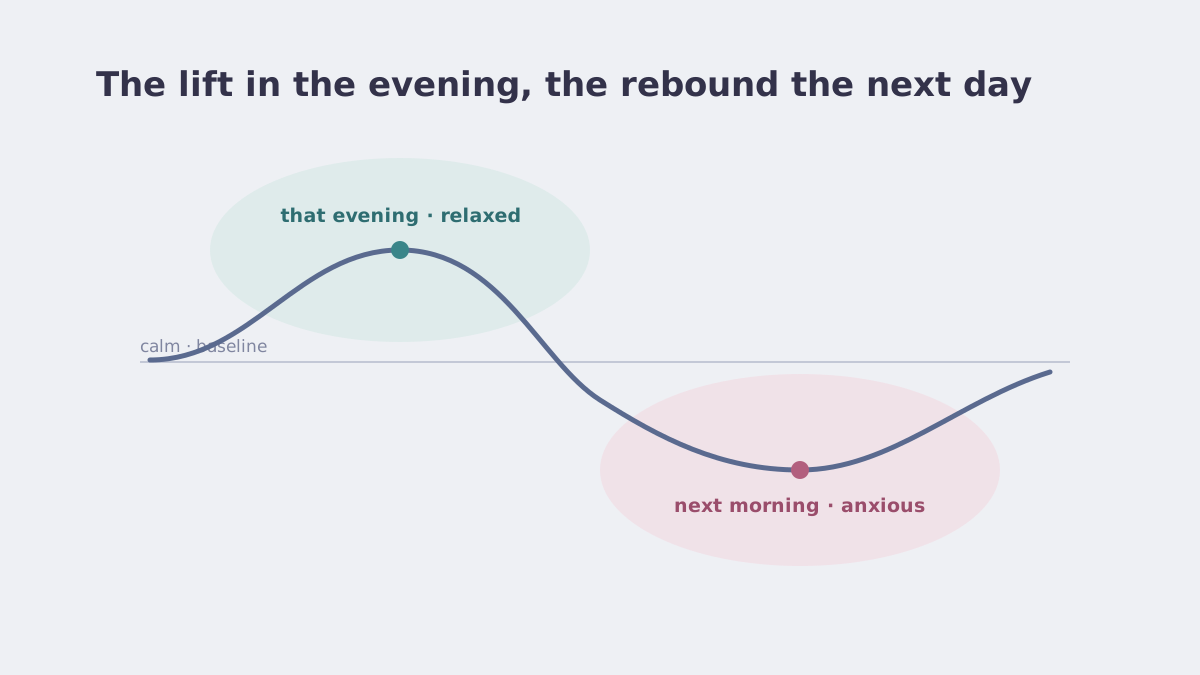
Hangxiety: why alcohol spikes next-day anxiety
That uneasy, jittery morning after drinking has a name and a mechanism. Here's why alcohol calms you at night and rebounds into anxiety the next day — and what helps.
A vague "drink less" never sticks. Here's how to pick a specific weekly standard-drink number — fixed or stepping down — that fits your real life and you'll actually hold to.
A goal only works if you’ll keep it. “Drink less” fails because there’s nothing to keep — no number to hit or miss. The fix is to pick a specific, weekly, countable target and make it realistic enough that you actually stay under it.
A weekly goal fits real life better than a daily rule. Life isn’t evenly distributed — a dinner out, a quiet Tuesday — and a weekly number lets a slightly bigger night balance against lighter ones without feeling like you “failed” on a Friday. (A daily ceiling still has its place: it catches a single heavy day that a weekly average would quietly absorb. Plenty of people use both — a week to aim at, a day not to blow past.)
Your goal needs one honest unit. “Five drinks” is meaningless if some are light lagers and some are double IPAs. Setting the goal in standard drinks makes it real — every drink converts to the same scale, so “10 a week” means the same thing whether the week is beer, wine, or spirits.
The most common mistake is setting an aspirational number you can’t hit, missing it, and quitting. Do the opposite: start just below your honest recent average. If you’ve been running about 20 standard drinks a week, set the goal at 18 — close enough that you’ll actually make it, which builds the habit. You can always lower it next week.
This is also why it helps to seed the goal from data rather than a guess. If you’ve been tracking your drinking for a few weeks, you already know your real average — start there.
There are two honest shapes for a weekly goal:
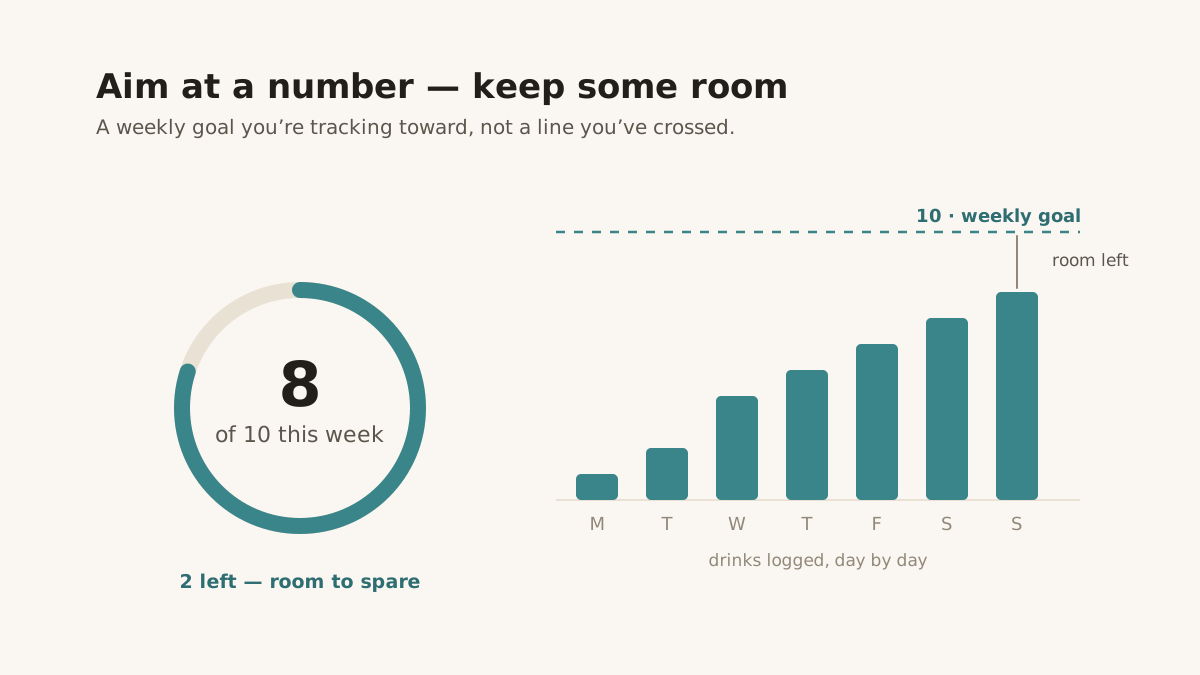
Hold the goal as room to spend, not a cage. “I have 4 left this week” pulls you forward; “I’ve used 6 of 10” feels like surveillance. Same math, better mindset — and the better mindset is the one you’ll keep.
A goal you can see beats one you remember. In PitchCount you set a weekly goal — fixed or stepping down — and seed it from your recent average, then every logged drink moves your week against the line, with a clear sense of how much room is left. That’s what turns “I should drink less” into a number you’ll actually keep.
There's no risk-free amount, and recent guidance simply says less is better. Through 2025, US guidance defined moderate drinking as up to 1 drink a day for women and 2 for men. Rather than chase a "right" number, pick a weekly target below your current average and step it down over time.
A weekly goal is more forgiving and realistic — it lets a slightly bigger night balance against quiet ones. A daily ceiling can help too, to catch a single heavy day that a weekly average would hide. Many people use both.
Start just below your honest recent average, not at some ideal. If you've been at ~20 standard drinks a week, set 18 — a target you'll actually hit, then lower it. A goal you keep beats a goal you admire.
A fixed goal holds a steady weekly number. A step-down goal starts where you are and decreases a set amount each week toward a target — better if your aim is to gradually drink less rather than hold a line.
This is general information, not medical advice. If you're concerned about your drinking or think you may be dependent, please talk to a healthcare professional.
That uneasy, jittery morning after drinking has a name and a mechanism. Here's why alcohol calms you at night and rebounds into anxiety the next day — and what helps.
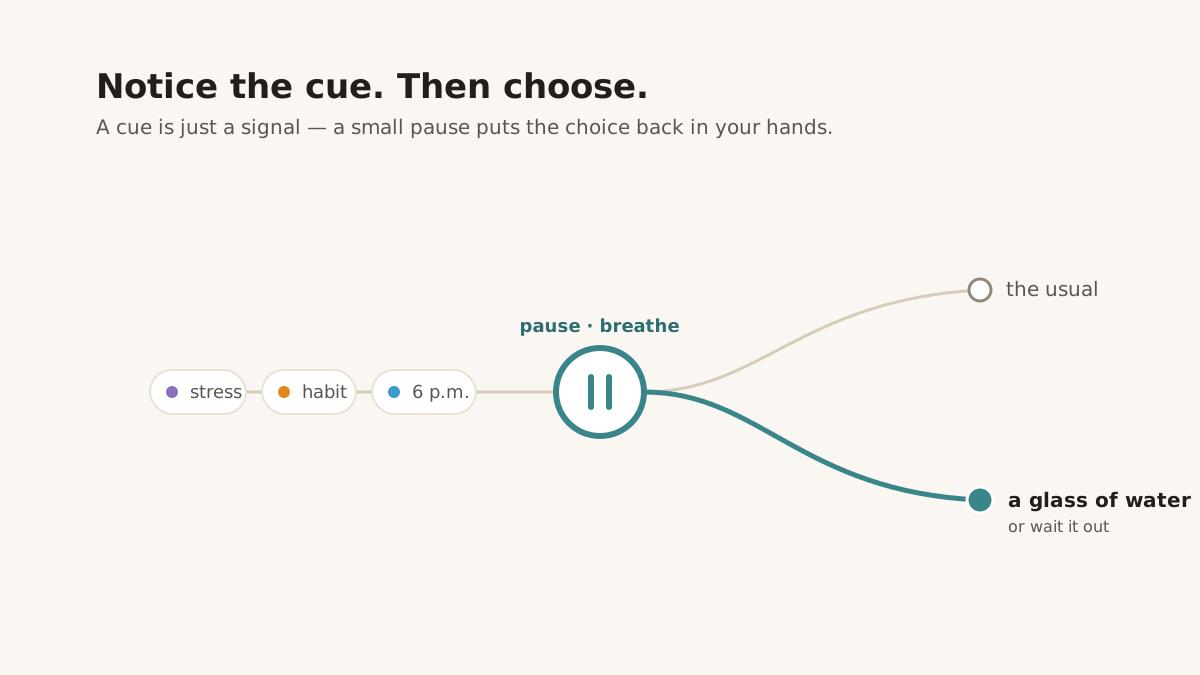
Most overshooting traces back to a handful of cues — stress, boredom, habit, certain people or places. Here's how to spot your triggers and build a calm pause before the next drink.
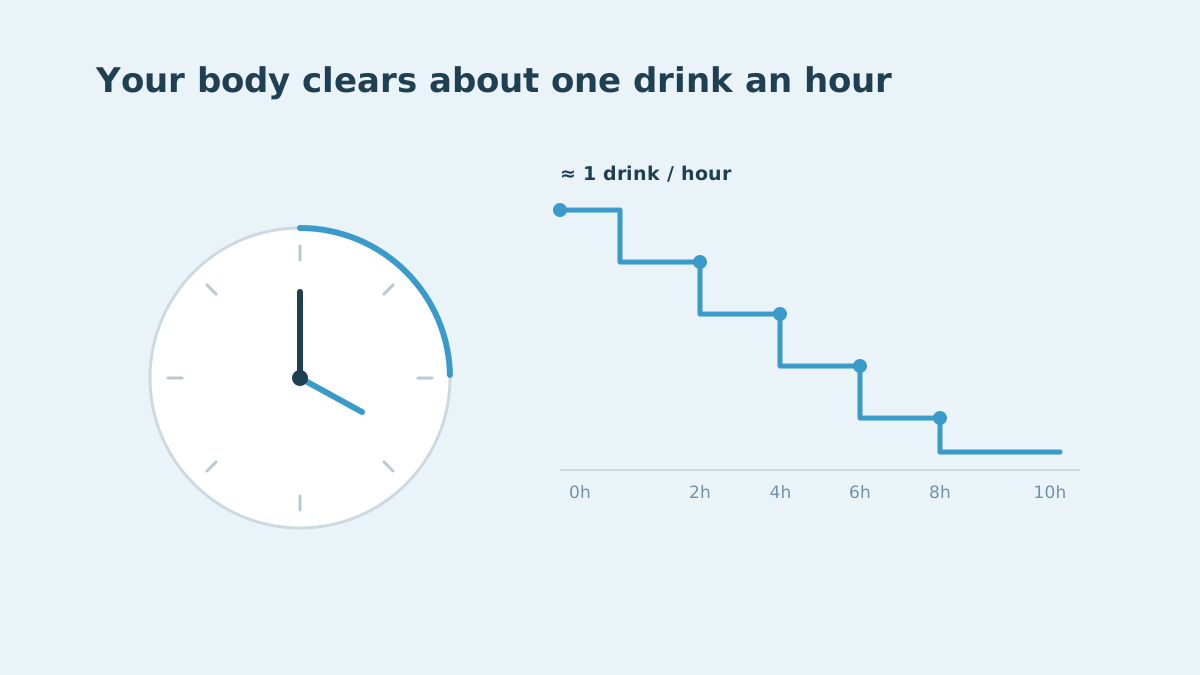
Your body clears roughly one standard drink an hour, and nothing speeds it up. Here's how alcohol is metabolized, how long tests can detect it, and what changes the rate.