That uneasy, jittery morning after drinking has a name and a mechanism. Here's why alcohol calms you at night and rebounds into anxiety the next day — and what helps.
P
PitchCount
Jun 20, 2026·5 min read
If the morning after a few drinks comes with a low hum of dread — replaying texts,
feeling jittery for no clear reason — that’s “hangxiety.” It’s not just in your
head, and it’s not a character flaw. It’s your brain rebalancing.
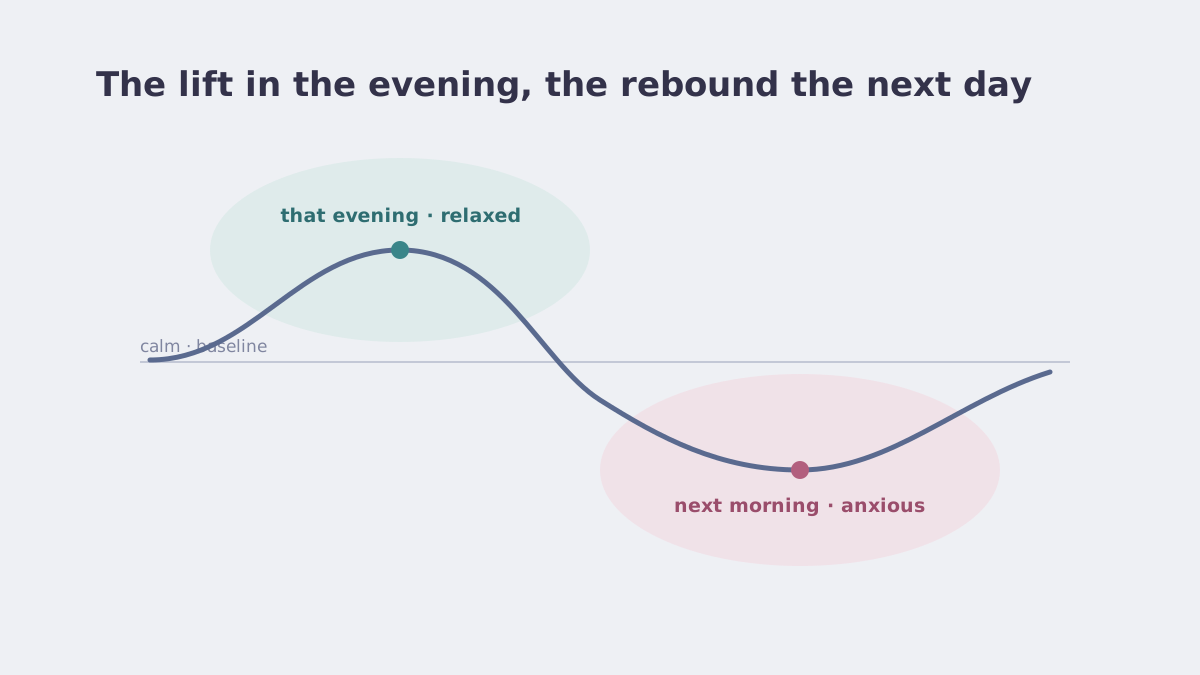
Why alcohol calms you at first
Alcohol acts on two of the brain’s main signals. It potentiates GABA, the
primary calming (inhibitory) signal, and it suppresses glutamate, a primary
excitatory one. A review published by the NIAAA
describes alcohol’s acute effect as adding to “the inhibition caused by GABA”
while inhibiting NMDA (glutamate) receptors. More calming, less excitation — that’s
the relaxed feeling.
Why it rebounds into anxiety
Your brain doesn’t like being pushed off balance, so it adapts to counteract the
alcohol and “restore neurochemical equilibrium,” per the same review. The problem
comes when the alcohol leaves: that adaptation is still in place, and now it tips
you the other way — toward over-excitation. The review notes that withdrawal of
alcohol “results in hyperactivity of the glutamate system,” and that changes in
GABA signaling are a potential cause of withdrawal effects “including anxiety.”
In plainer terms, the Cleveland Clinic
puts it this way: when alcohol wears off, “your nervous system must readjust. You
may end up feeling anxious and irritable.” This same rebound happens on a smaller
scale in an ordinary hangover, not just heavy withdrawal.
What makes it worse
Hangxiety rarely travels alone. Several everyday factors stack on top of the
rebound:
Dehydration. Alcohol makes you urinate more, which the Cleveland Clinic ties
to “thirst, fatigue and headaches.”
Low blood sugar, which “makes you feel shaky, weak and sweaty” — easy to
read as anxiety.
There’s also a personal dimension: one study found that people more sensitive to
hangovers reported higher anxiety and stress
than hangover-resistant drinkers. If you’re already anxiety-prone, hangxiety may
hit harder.
What actually helps
The honest answer is that you can’t speed alcohol out of your system, so the
levers that work are about how much and how you drink:
Fewer drinks, and slower — the rebound scales with the dose.
Alternate alcoholic drinks with water.
Don’t drink on an empty stomach.
Protect your sleep that night.
Because the effect tracks with the amount, knowing your real number helps. If you
can look back and see that the rough, anxious mornings line up with your heavier
nights, the pattern becomes something you can actually adjust — which is what
logging your drinks in PitchCount is for.
Frequently asked questions
What is hangxiety?
Hangxiety is the anxious, on-edge feeling some people get the day after drinking. Alcohol calms the brain in the moment by boosting its main inhibitory signal; as it wears off, the system rebounds toward over-excitation, which can feel like anxiety.
Why do I feel anxious the day after drinking?
Alcohol potentiates GABA (calming) and suppresses glutamate (excitatory). Your brain adapts to rebalance. When the alcohol clears, that adaptation tips you toward excitation — restlessness, jitteriness, and anxiety — often made worse by poor sleep, dehydration, and low blood sugar.
Does anxiety from alcohol get worse if I'm already anxious?
It appears so. Research has found people who are more sensitive to hangovers report higher baseline anxiety and stress, suggesting anxiety-prone drinkers may feel next-day anxiety more strongly.
How do I reduce hangxiety?
Drink less and slower, alternate with water, don't drink on an empty stomach, and protect your sleep. There's no way to rush alcohol out of your system — fewer drinks is what actually moves the needle.
This is general information, not medical advice. If you're concerned
about your drinking or think you may be dependent, please talk to a
healthcare professional.
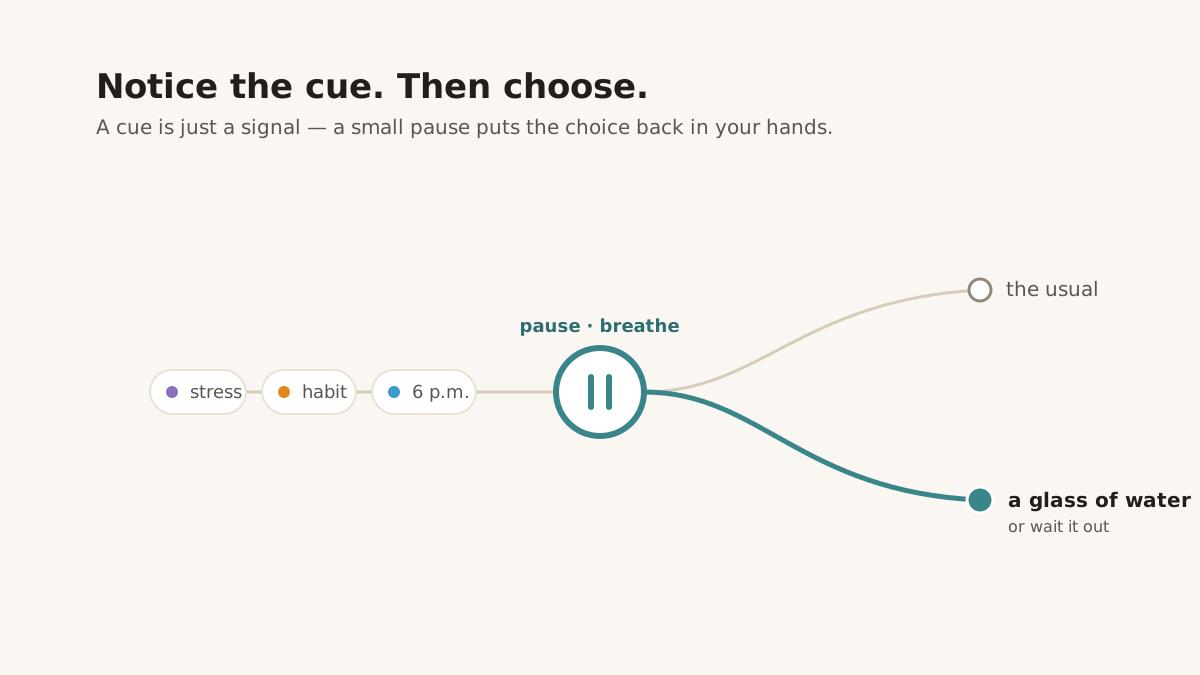
Most overshooting traces back to a handful of cues — stress, boredom, habit, certain people or places. Here's how to spot your triggers and build a calm pause before the next drink.
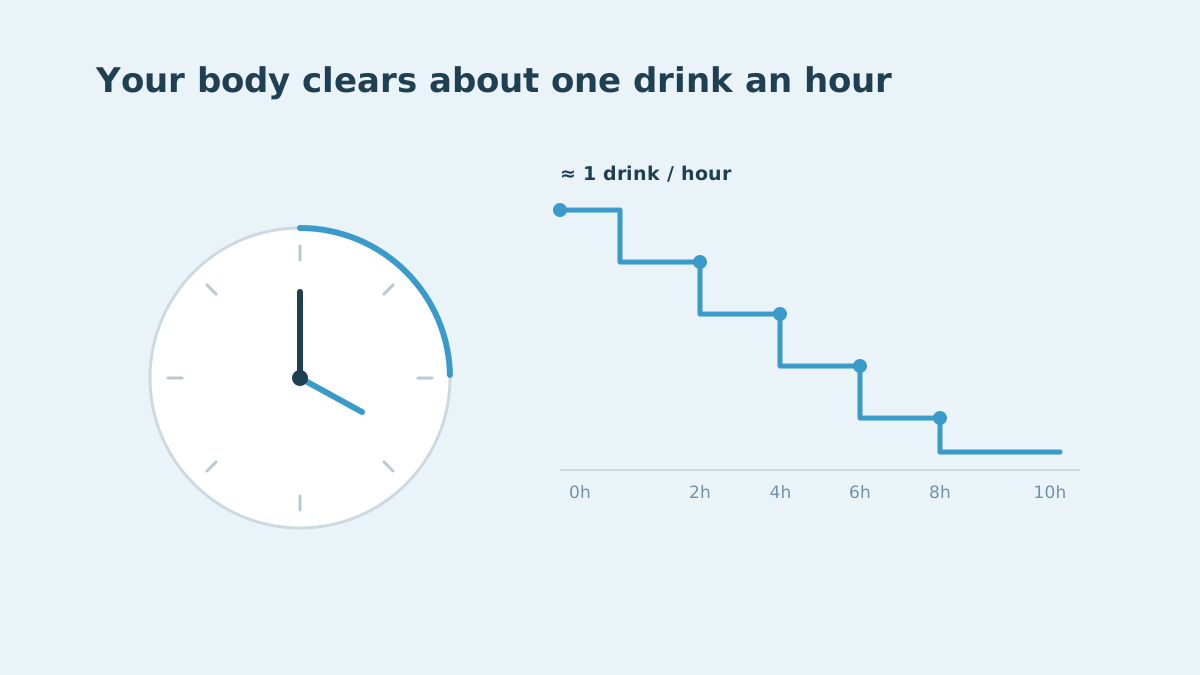
Your body clears roughly one standard drink an hour, and nothing speeds it up. Here's how alcohol is metabolized, how long tests can detect it, and what changes the rate.
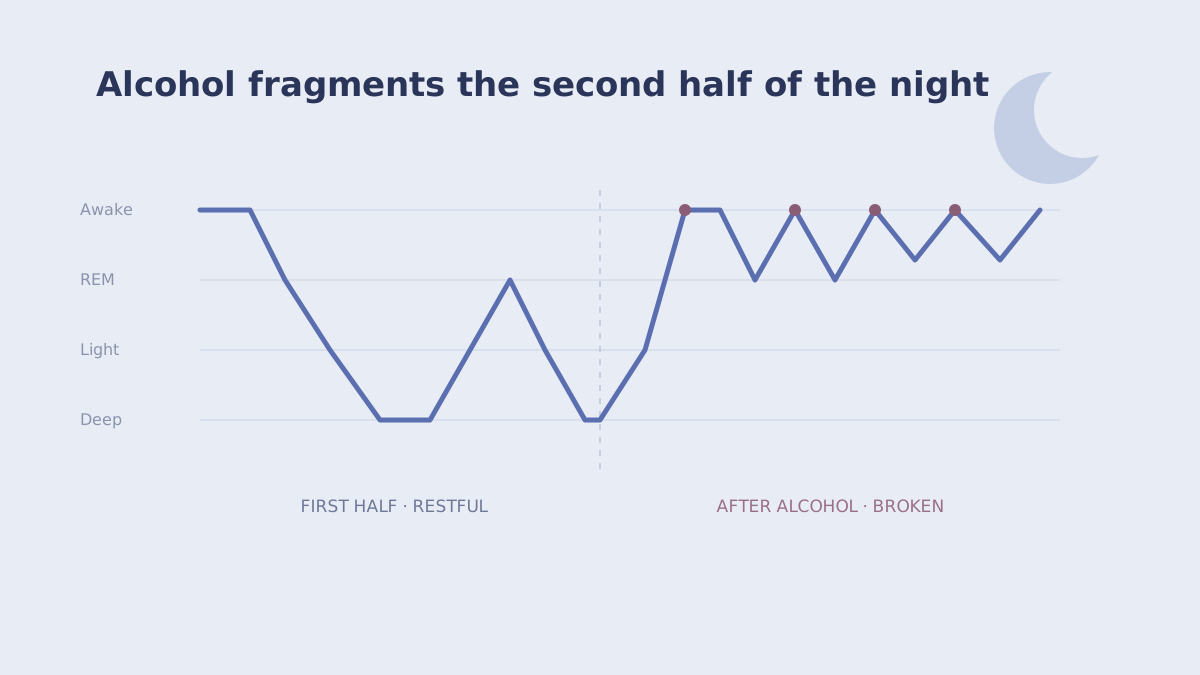
A drink helps you fall asleep faster, then quietly wrecks the second half of the night — less REM, more waking. Here's what alcohol does to your sleep, and how to limit it.