The science
Hangxiety: why alcohol spikes next-day anxiety
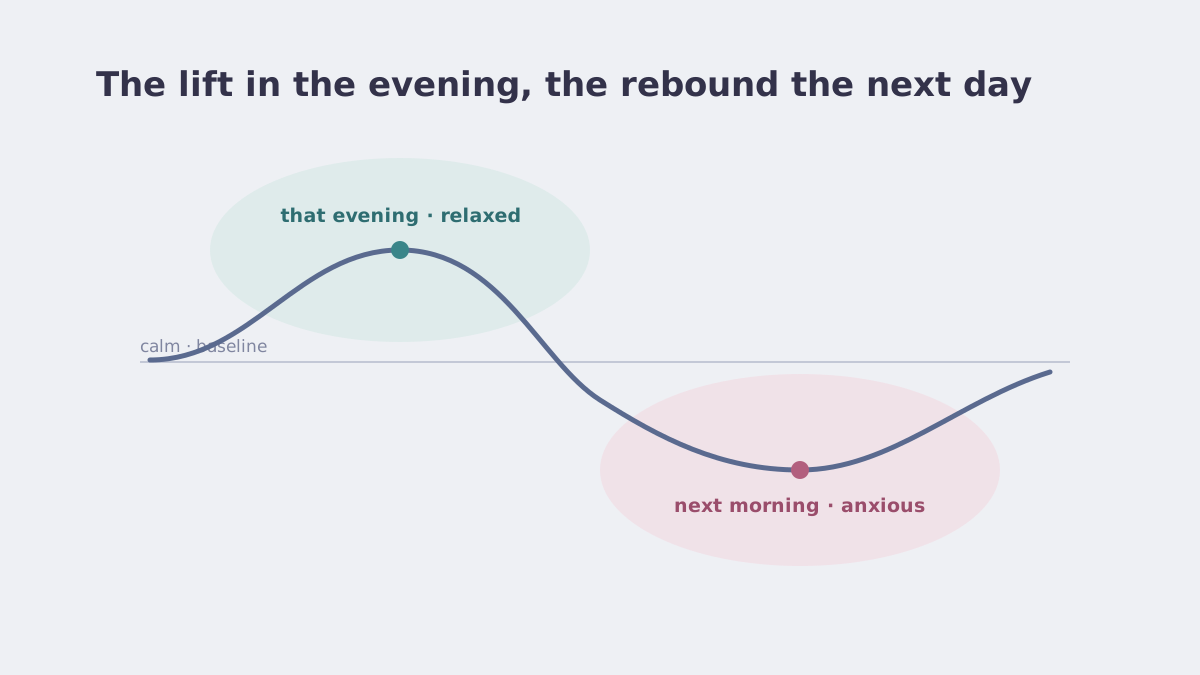
That uneasy, jittery morning after drinking has a name and a mechanism. Here's why alcohol calms you at night and rebounds into anxiety the next day — and what helps.
A night gets away from you when the drinks come faster than your body can clear them. Here's how to pace — space them out, alternate with water, and stay around one an hour.
A night rarely goes sideways because of a decision — it goes sideways because of a rate. When drinks arrive faster than your body can clear them, alcohol stacks up, and so does the total. Pacing is the simple skill that keeps the night under your control.
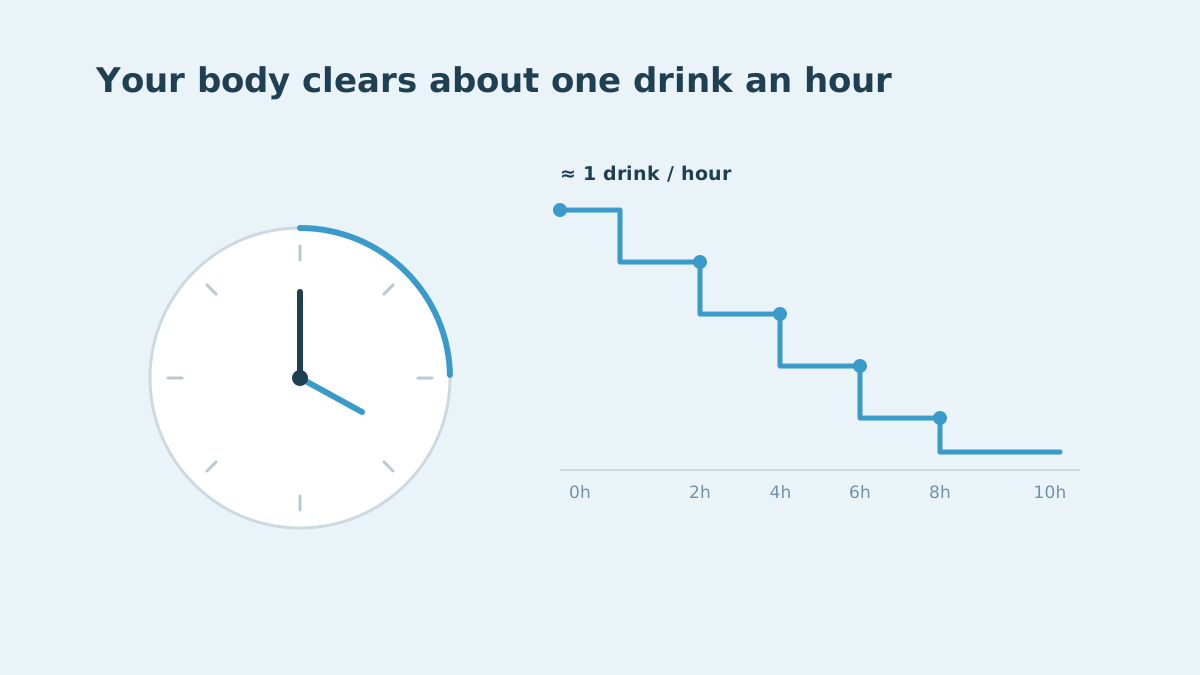
Your body clears alcohol at a fixed speed — roughly one standard drink per hour, and nothing speeds that up. Drink faster than that and it accumulates; the fifth drink lands on top of the fourth that’s still being processed. Pacing simply keeps your intake closer to the rate you can actually handle, which also keeps the next-day anxiety and the wrecked sleep in check.
None of this is willpower-heavy. It’s mostly mechanics:
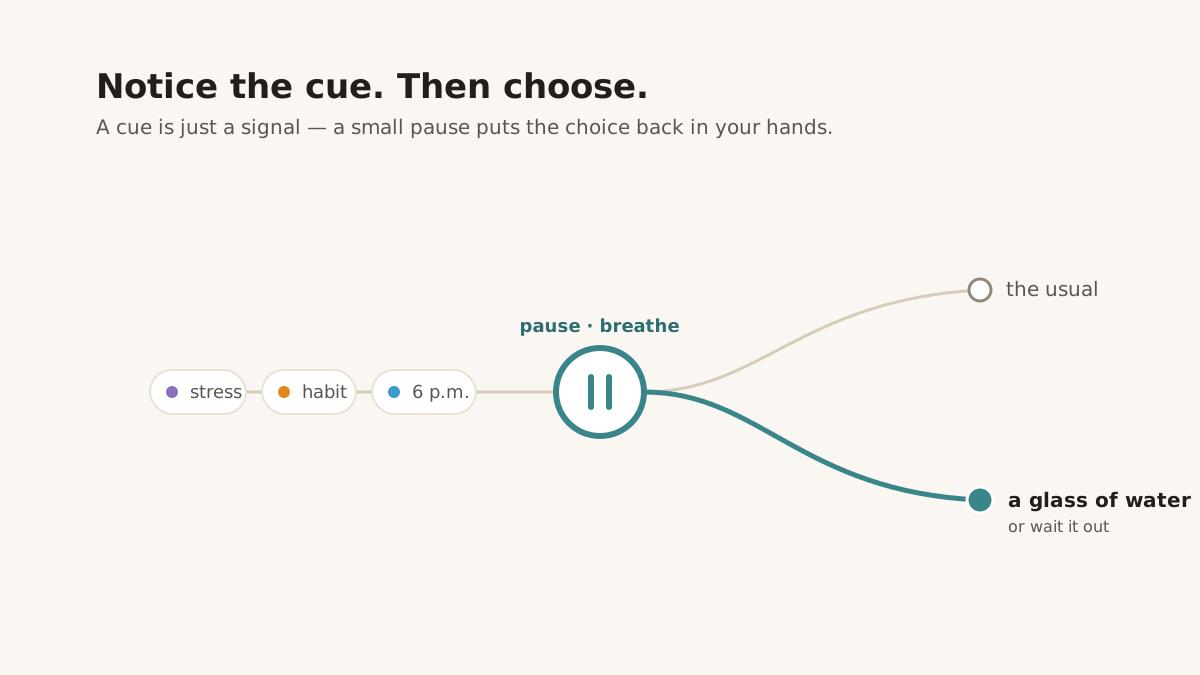
Pacing is easiest when some of it is decided in advance — a number you’ll stop at, a “water after every drink” rule, an earlier exit. Made ahead of time, these aren’t willpower; they’re just a plan you’re following. That’s also how you handle the cues that push the pace up in the first place.
The reason pacing slips is that, mid-evening, you lose track of the rate. That’s exactly what logging fixes: tap each drink into PitchCount as you have it, and your running standard-drink total — and how it’s tracking against your weekly goal — stays visible in the moment, when it can still change what you do next.
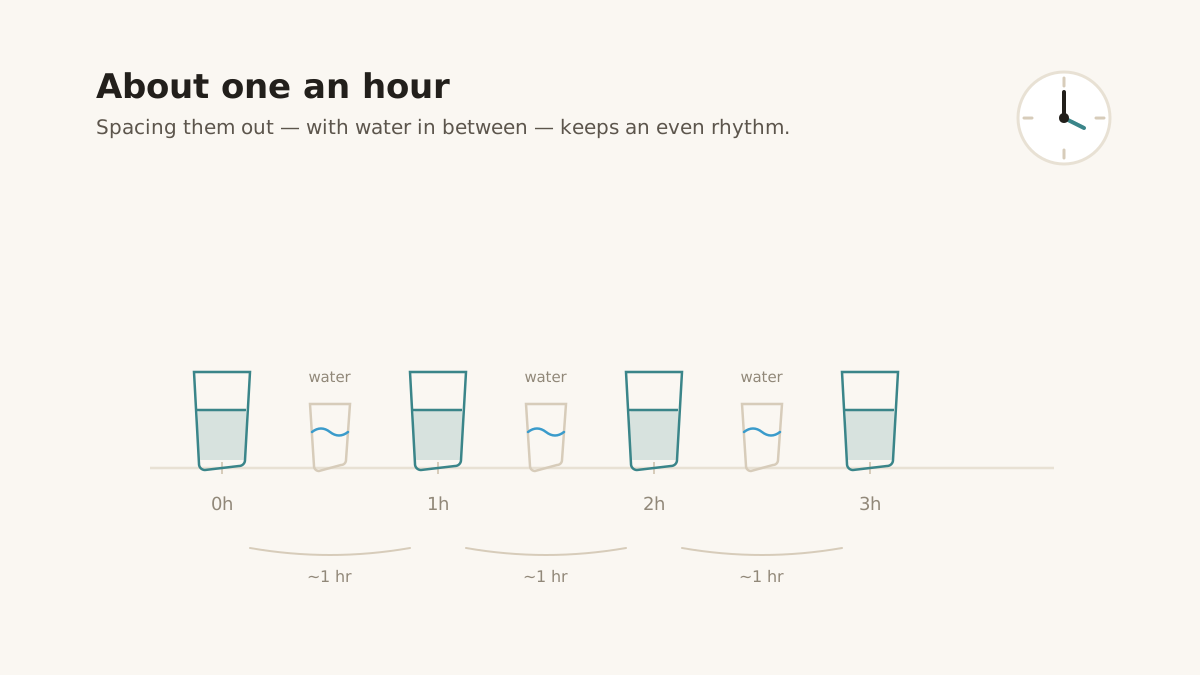
Slow the rate of drinks reaching your body — sip rather than gulp, put the glass down between sips, alternate each alcoholic drink with water, and aim for roughly one standard drink per hour, which is about the rate your body clears it.
Alternating alcoholic drinks with water (or any non-alcoholic drink) naturally slows your pace and spaces out the alcohol, so you drink less over the night. It's one of the most commonly recommended ways to cut back in the moment.
Your body processes roughly one US standard drink per hour, at a fixed rate you can't speed up. Drinking faster than that is exactly what makes alcohol build up over a night.
Eating slows how fast alcohol is absorbed, which softens the peak — though it doesn't change how fast your body ultimately clears it. Drinking on an empty stomach makes a given amount hit harder and faster.
This is general information, not medical advice. If you're concerned about your drinking or think you may be dependent, please talk to a healthcare professional.
That uneasy, jittery morning after drinking has a name and a mechanism. Here's why alcohol calms you at night and rebounds into anxiety the next day — and what helps.
Most overshooting traces back to a handful of cues — stress, boredom, habit, certain people or places. Here's how to spot your triggers and build a calm pause before the next drink.
Your body clears roughly one standard drink an hour, and nothing speeds it up. Here's how alcohol is metabolized, how long tests can detect it, and what changes the rate.