The science
Hangxiety: why alcohol spikes next-day anxiety
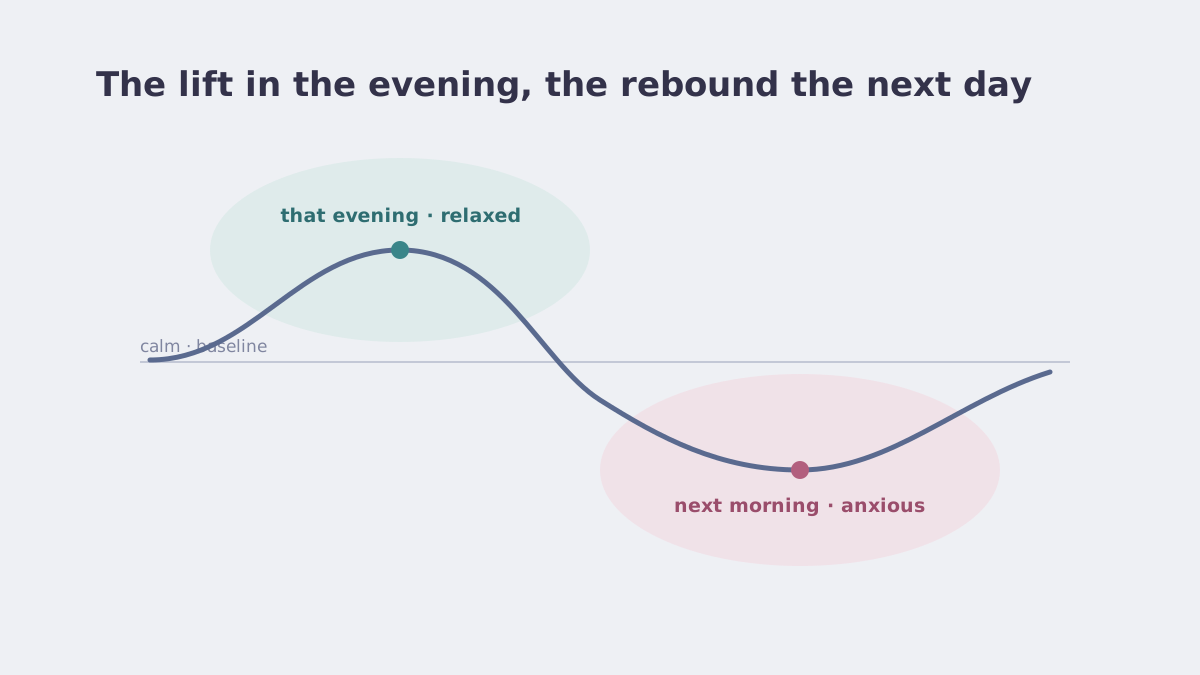
That uneasy, jittery morning after drinking has a name and a mechanism. Here's why alcohol calms you at night and rebounds into anxiety the next day — and what helps.
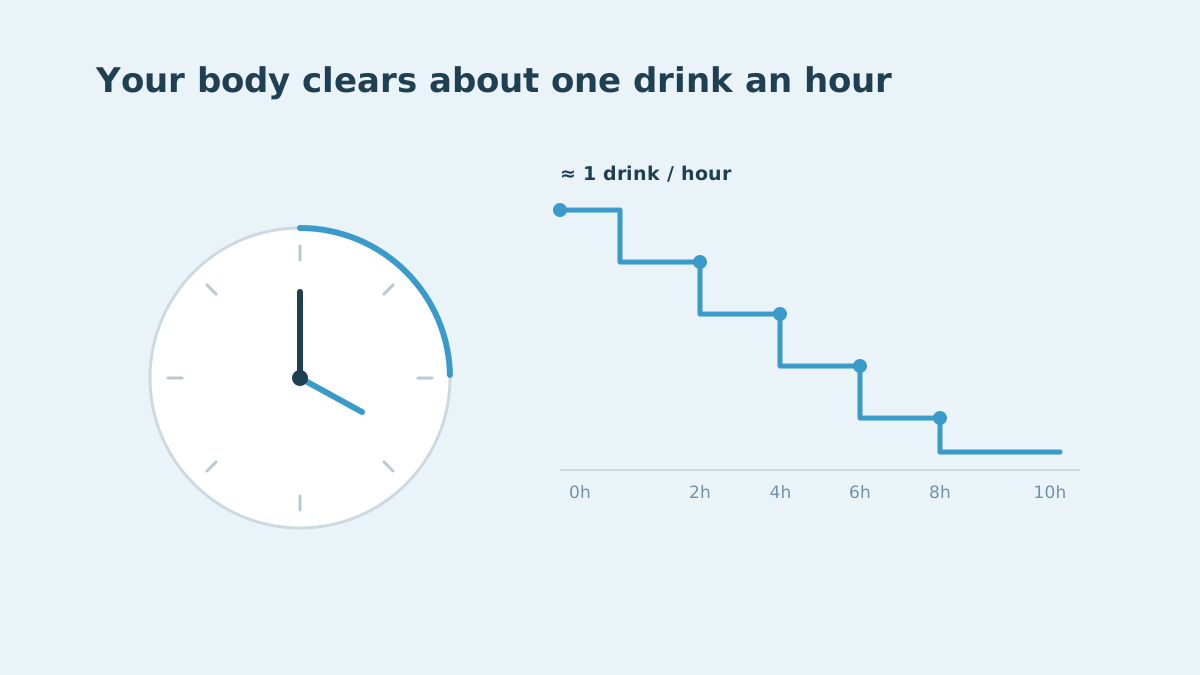
Your body clears roughly one standard drink an hour, and nothing speeds it up. Here's how alcohol is metabolized, how long tests can detect it, and what changes the rate.
“How long does it stay in my system?” has a reassuringly simple core answer — and a few useful details around it. (Note up front: this is about metabolism and testing, not a guide to whether you’re okay to drive — that’s never something to estimate.)
Your liver does most of the work, and it works at a steady pace. According to the NIAAA, the liver metabolizes a fairly fixed amount of alcohol per hour regardless of how much you drink — on average about a 0.015% drop in blood alcohol concentration per hour. In practical terms, that’s roughly one US standard drink per hour. Drink faster than your liver can clear, and alcohol accumulates — which is the whole reason pacing matters.
This is the part people don’t want to hear: nothing makes your body process alcohol faster. The Cleveland Clinic is clear that caffeine “won’t clear alcohol from your system any faster,” and the NIAAA notes metabolism proceeds at a steady rate regardless of attempts to sober up “with caffeine or by other means.” Coffee, water, a cold shower, or food might make you feel more alert, but only time lowers your blood alcohol.
Detection windows are longer than the “buzz,” and they vary by test. The Cleveland Clinic gives these rough ranges:
| Test | Approximate detection window |
|---|---|
| Breath | ~24 hours |
| Blood | ~12 hours |
| Saliva | ~48 hours |
| Urine | up to ~5 days (longer with specialized biomarkers) |
| Hair | up to ~90 days |
A common urine test looks for EtG, a byproduct of alcohol. NIH research describes EtG detecting recent use up to roughly 80 hours after drinking — but other peer-reviewed work notes that the full 80-hour window really applies to heavy use, and these tests are less sensitive for picking up lighter drinking beyond the most recent day. Treat the numbers as ranges, not guarantees.
The “one drink per hour” figure is an average; your mileage varies with:
Since your body clears alcohol at a fixed pace you can’t rush, the only real control you have is on the way in — how much, and how fast. Pacing to about a drink an hour, alternating with water, and knowing your running total keep you from out-running your own liver. Logging each drink in PitchCount makes that total visible in the moment, when it’s still useful.
Roughly one US standard drink per hour. The liver metabolizes alcohol at a fairly fixed rate — about a 0.015% drop in blood alcohol per hour on average — no matter how much you've had. Drinking faster than that is what makes it build up.
No. Nothing speeds the metabolism of alcohol already in your body — not caffeine, water, food, or a shower. They may make you feel more alert, but only time actually lowers your blood alcohol.
Roughly — breath ~24 hours, blood ~12 hours, saliva ~48 hours, urine up to ~5 days (longer with specialized biomarkers), and hair up to ~90 days. The exact window depends on how much you drank and the test used.
Body size, sex, age, whether you ate, liver and kidney health, medications, and genetics all change the rate. Generally women and older adults process alcohol more slowly, and food slows absorption.
This is general information, not medical advice. If you're concerned about your drinking or think you may be dependent, please talk to a healthcare professional.
That uneasy, jittery morning after drinking has a name and a mechanism. Here's why alcohol calms you at night and rebounds into anxiety the next day — and what helps.
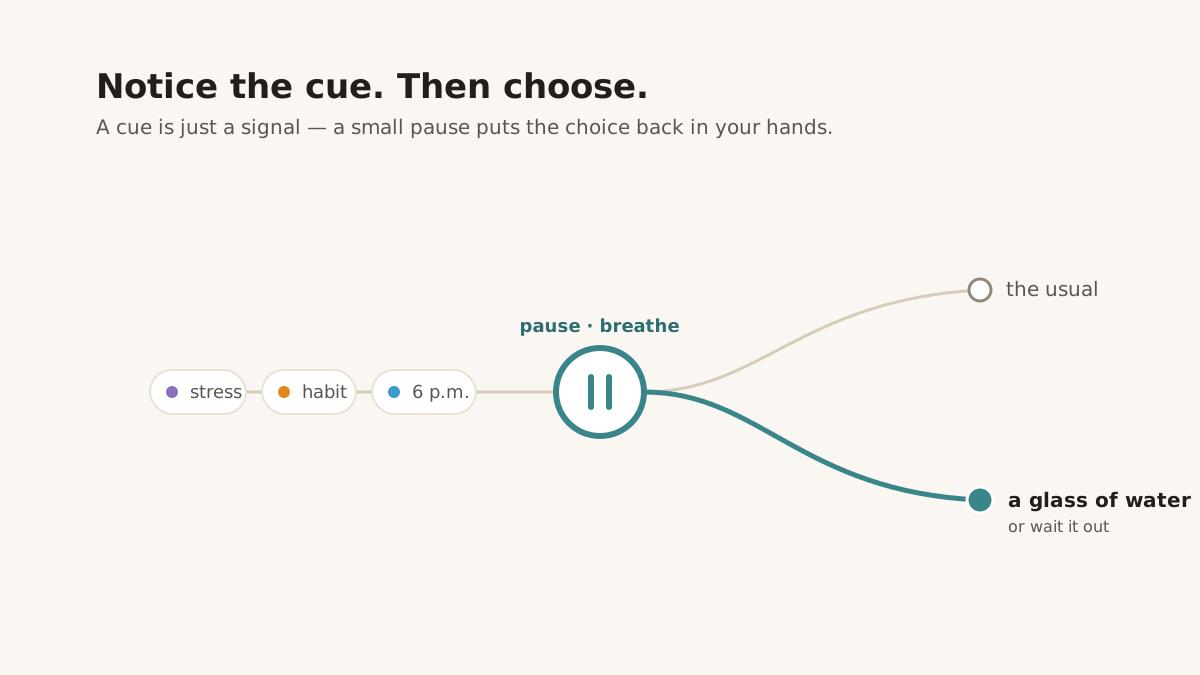
Most overshooting traces back to a handful of cues — stress, boredom, habit, certain people or places. Here's how to spot your triggers and build a calm pause before the next drink.
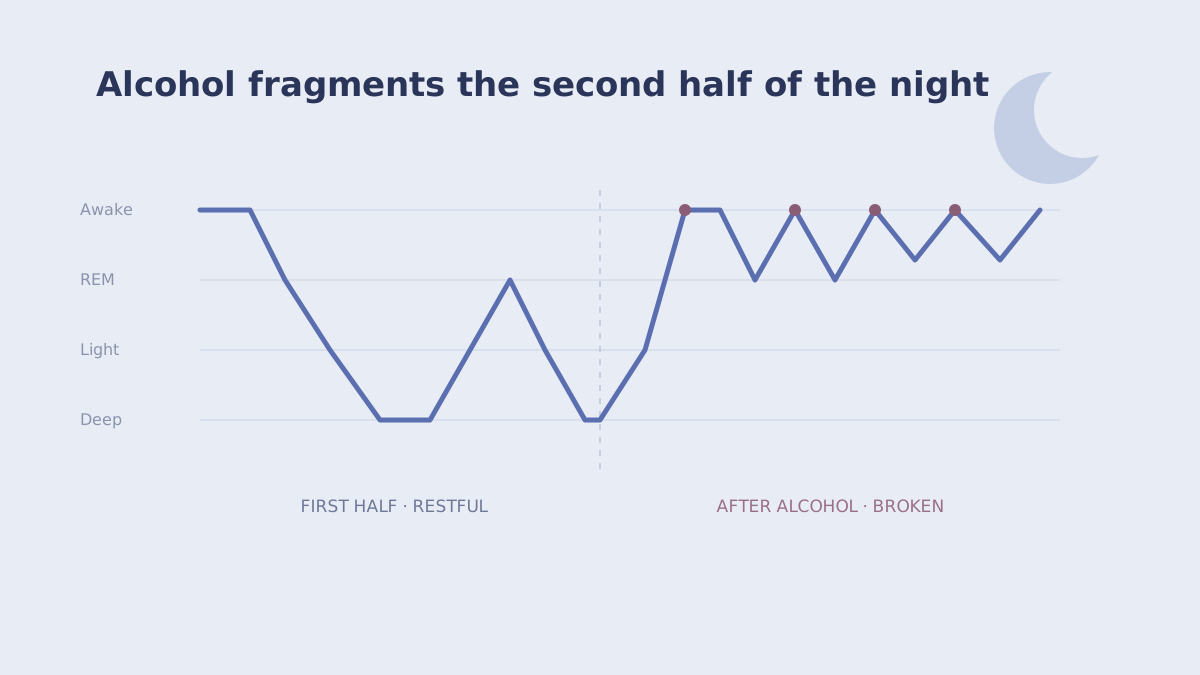
A drink helps you fall asleep faster, then quietly wrecks the second half of the night — less REM, more waking. Here's what alcohol does to your sleep, and how to limit it.